Global Perspectives on the US-Iran Conflict: How the World Sees and Understands the Tensions.
Picture just for reference
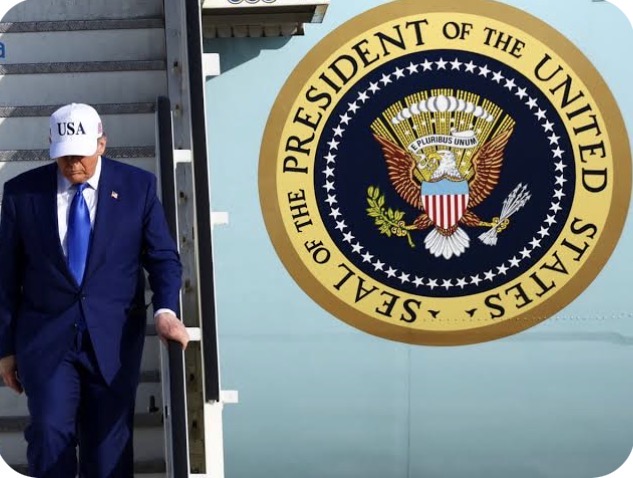
Global Perspectives on the US-Iran Conflict: How the World Sees and Understands the Tensions
The ongoing tensions between the United States and Iran have captured global attention, sparking debates among politicians, scholars, writers, and international organizations. The potential for conflict is viewed through multiple lenses, ranging from strategic security concerns to economic and humanitarian implications.
1. Perspectives of American Politicians
In the United States, opinions on Iran vary significantly across political lines:
- Republicans tend to adopt a hardline stance, portraying Iran as a sponsor of terrorism and a threat to regional stability. Many support strict economic sanctions and even military interventions to curb Iran’s influence in the Middle East.
- Democrats, while equally concerned about Iran’s nuclear ambitions, generally favor diplomacy and negotiation. The Biden administration’s efforts to revive the Joint Comprehensive Plan of Action (JCPOA) reflect this approach, combining pressure with dialogue.
- Within Congress, there is a mix of hawkish and diplomatic voices, highlighting the internal debate on whether containment or engagement is the best strategy.
2. Scholars and Strategic Analysts
Academics and policy analysts emphasize the complex ramifications of a US-Iran confrontation:
- Strategic analysts warn that a war could destabilize the Middle East and disrupt global oil markets, creating ripple effects worldwide.
- Political scientists argue that sanctions alone or military threats cannot resolve the underlying issues; a mix of diplomacy, economic pressure, and regional engagement is necessary.
- Military experts highlight Iran’s strategic location and its proxy networks—such as Hezbollah and the Houthis—which could make direct military action risky and unpredictable.
3. Media Writers and Public Intellectuals
Writers and commentators across global media platforms offer diverse interpretations:
- Some argue that US pressure is crucial to check Iran’s expansionist ambitions and nuclear program.
- Others emphasize the catastrophic humanitarian consequences of a potential conflict, noting that sanctions and military action often disproportionately affect civilians rather than government leadership.
- Many analysts stress the importance of distinguishing between the Iranian government and its people, suggesting that punitive measures should be carefully targeted to avoid exacerbating civilian suffering.
4. International Organizations and Global Powers
The international community closely monitors the situation, with nuanced positions from major players:
- European countries (UK, France, Germany) advocate for diplomacy and the revival of the Iran nuclear deal, prioritizing dialogue over confrontation.
- Russia and China maintain strong relations with Iran and criticize unilateral US sanctions, calling for a multipolar approach to regional security.
- The United Nations consistently emphasizes negotiation and conflict prevention, urging both sides to avoid escalation and prioritize humanitarian concerns.
5. Global Understanding and Implications
The world views the US-Iran tension as more than a bilateral issue:
- Economically, potential conflict threatens oil supply and global markets.
- Politically, it affects alliances, regional stability, and the balance of power in the Middle East.
- Humanitarian consequences remain a major concern, with millions potentially affected by war, sanctions, or instability.
- Most experts agree that a combination of diplomacy, economic leverage, and measured engagement is the preferred path to prevent escalation.
Conclusion
The US-Iran conflict is not merely a regional matter; it has global implications, influencing international security, economics, and humanitarian concerns. While hardline approaches emphasize containment and deterrence, the global consensus leans toward diplomatic solutions that minimize human suffering while maintaining strategic balance. Understanding this multifaceted perspective helps the world navigate a complex geopolitical landscape, balancing pressure with dialogue, and risk with restraint.


Comments
Post a Comment