General Asim Munir: A Dynamic Leadership and Pakistan’s Rising Global Standing.
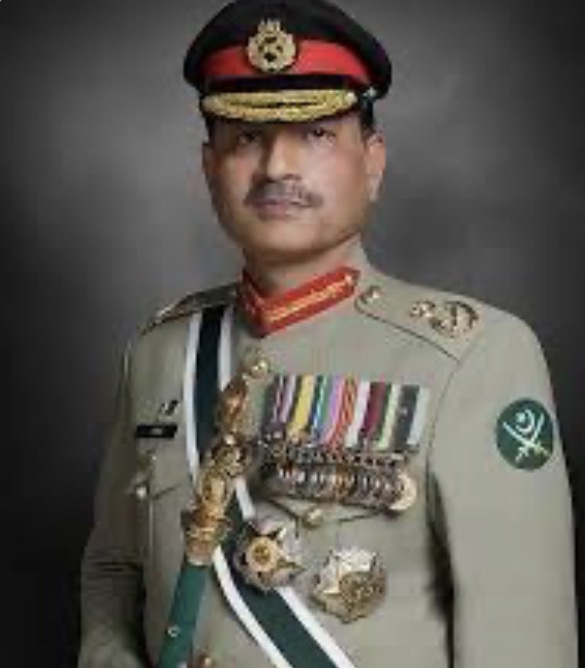
General Asim Munir: A Dynamic Leadership and Pakistan’s Rising Global Standing.
A Leader at a Critical Moment
General Asim Munir has emerged as a dynamic and resolute leader at a critical juncture in Pakistan’s history. Under his tenure, Pakistan has regained confidence, visibility, and relevance on the international stage, moving steadily toward recognition as a strong and responsible power in South Asia.
Balanced Relations with Global Superpowers
For years, Pakistan struggled against diplomatic isolation and regional pressure. Today, that narrative is changing. Pakistan is increasingly viewed as a stabilizing force capable of maintaining balance in a complex global environment. The country has successfully developed pragmatic and balanced relations with the United States, China, and Russia—three global superpowers—without aligning exclusively with any single bloc. This diplomatic balance reflects strategic maturity and national self-respect.
Renewed Trust in the Islamic World
Pakistan’s standing in the Arab and Islamic world has strengthened considerably. From the Gulf states to wider Islamic forums, Pakistan is once again regarded as a reliable partner in security and defense matters. Growing defense cooperation and strategic understandings with Saudi Arabia, Qatar, and other Islamic countries demonstrate renewed trust in Pakistan’s military professionalism and regional role.
Reclaiming Diplomatic Ground in South Asia
For decades, India maintained a diplomatic advantage over Pakistan on the international stage. Recent developments, however, indicate a shift. Pakistan has become more assertive in defending its narrative at global forums, countering misinformation, and projecting its position with clarity and confidence. The regional diplomatic landscape is no longer one-sided.
Changing Regional Power Calculations
The evolving balance of power in the Middle East and South Asia has compelled traditionally aggressive actors to reassess their policies toward Muslim countries. Collective deterrence, strategic unity, and Pakistan’s strengthened defense posture have contributed to limiting unilateral actions against the region.
Renewed Pakistan–Bangladesh Engagement
One of the most significant regional developments is the gradual normalization of Pakistan–Bangladesh relations. After years of distance influenced by external pressures, both nations are rediscovering shared interests in trade, connectivity, and regional stability. This renewed engagement holds long-term strategic and economic promise.
Advancing Self-Reliance in Defense and Aviation
Pakistan’s progress extends beyond diplomacy. Indigenous weapons production, advancements in military aviation, and preparations for local passenger aircraft manufacturing reflect a broader vision of self-reliance. These initiatives aim to reduce dependency, strengthen national industry, and position Pakistan among technologically capable nations.
Civil–Military Coordination and National Unity
This transformation is not the work of a single institution. Pakistan’s armed forces and civilian government have both played essential roles. Institutional coordination, national resilience, and a shared vision of sovereignty and development are laying the foundation for sustainable progress.
A Path Toward Global Respect
Despite ongoing challenges, Pakistan today stands at a moment of renewed opportunity. Strategic clarity, balanced diplomacy, and internal strength are restoring the country’s global stature. With unity and consistency, Pakistan has the potential to secure a respected and influential position in the international system.
Syed Ali Raza Naqvi Bukhari
Unity of Peace, Economic Reform, and Global Unity
Founder & Chairman of Tehreek Istehkam Pakistan, and the author of “Law of God” and “Social Democratic System.”
Advocate for truth, social justice, and reform in all sectors of society.


Comments
Post a Comment