Islamabad Accord Showing Impact: Pakistan Emerges as King of Diplomacy and Peacemaker.
Picture just for Reference
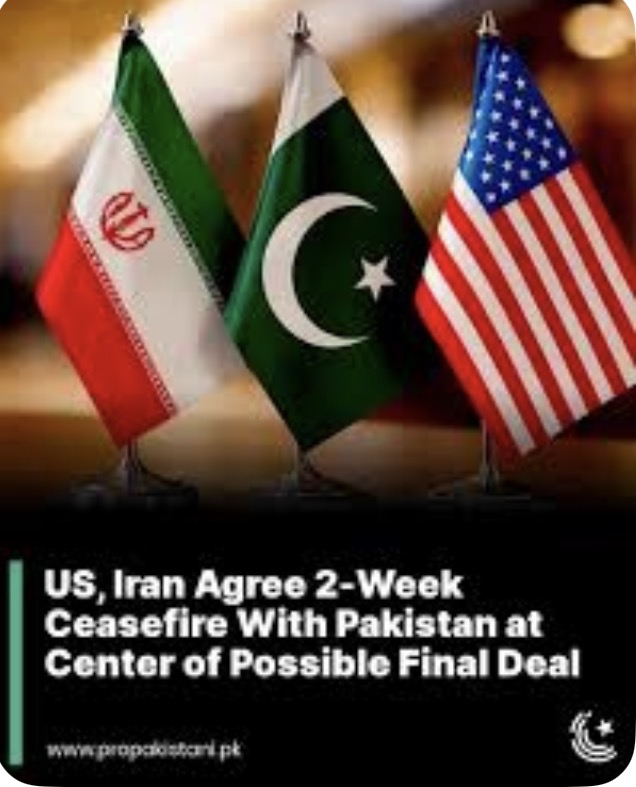
Islamabad Accord Showing Impact: Pakistan Emerges as King of Diplomacy and Peacemaker.
In a rapidly evolving global environment, a major diplomatic opening is taking shape as Shehbaz Sharif reportedly supports a ceasefire initiative backed by the United States. At the same time, expected talks between the United States and Iran on April 10 in Islamabad signal a rare and significant moment in international diplomacy.
If confirmed, this development could mark a historic turning point—placing Pakistan at the center of global peace efforts.
A New Chapter in Global Diplomacy
For decades, hostility between Washington and Tehran has defined instability in the Middle East. Bringing both sides to Islamabad is not merely a diplomatic event—it represents a breakthrough built on trust, neutrality, and strategic vision.
Pakistan’s consistent emphasis on dialogue over confrontation is now translating into real influence on the global stage.
What If There Was No Ceasefire?
To understand the importance of this moment, one must consider the alternative.
Without a ceasefire:
- A direct or proxy war between the United States and Iran could have escalated rapidly
- The entire Middle East risked turning into a conflict zone
- Global oil supplies could have been severely disrupted, triggering economic shocks worldwide
- Regional allies could have been pulled into a broader war
- Civilian casualties and humanitarian crises would likely have multiplied
In essence, the absence of diplomacy could have pushed the world toward another large-scale conflict with unpredictable consequences.
Pakistan: From Strategic Player to Peacemaker
Pakistan is no longer just part of the geopolitical equation—it is shaping outcomes. Facilitating dialogue between two long-standing adversaries reflects:
- Diplomatic credibility
- Strategic balance
- Global trust
This is a transformation from being a regional actor to becoming a global peacemaker.
Why Islamabad Matters
The selection of Islamabad as the venue carries deep symbolic and strategic value:
- It reflects confidence in Pakistan’s neutrality
- It highlights Pakistan’s role as a bridge between competing powers
- It signals a shift in global diplomacy toward inclusive mediators
If successful, this initiative may be remembered as the “Islamabad Accord”—a milestone in modern conflict resolution.
The Broader Impact
A ceasefire and renewed dialogue could:
- De-escalate tensions across the Middle East
- Stabilize international markets
- Open doors for long-term peace negotiations
Most importantly, it reinforces a timeless principle:
> True victory lies not in war, but in the establishment of peace.
Conclusion
At a time when the world stands on the edge of uncertainty, Pakistan appears to be doing what many powerful nations could not—bringing adversaries together. Whether this process leads to a lasting agreement or not, one reality is undeniable:
Pakistan has stepped forward as a King of Diplomacy and a Peacemaker—turning the possibility of war into an opportunity for peace.
Syed Ali Raza Naqvi Bukhari
Unity of Peace, Economic Reform, and Global Unity
Founder & Chairman of Tehreek Istehkam Pakistan, and the author of “Law of God” and “Social Democratic System.” advocates for truth, social justice, and reform in all sectors of society.


Comments
Post a Comment