America–Israel’s Reckless Adventurism and Anti-Muslim Narrative Risk Strategic Decline
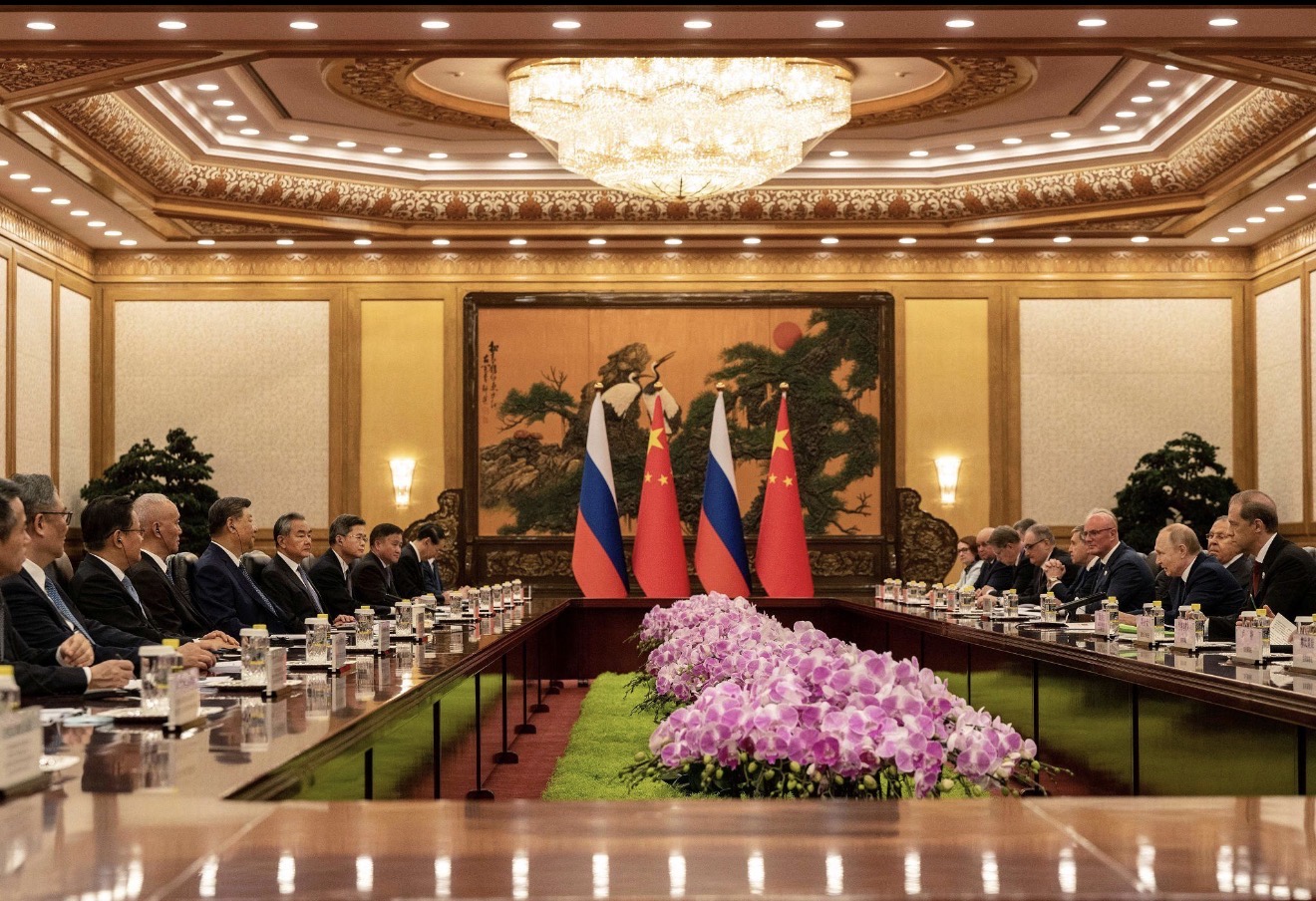
America–Israel’s Reckless Adventurism and Anti-Muslim Narrative Risk Strategic Decline
1. A Changing Global Mood
The international environment is shifting. Across Europe, Asia, Africa, and even parts of North America, public opinion and political discourse are increasingly critical of prolonged conflicts and unilateral military actions. The global narrative is no longer shaped by a single power center; instead, it reflects a broader demand for justice, balance, and restraint.
2. European Voices: Moral Pressure is Rising
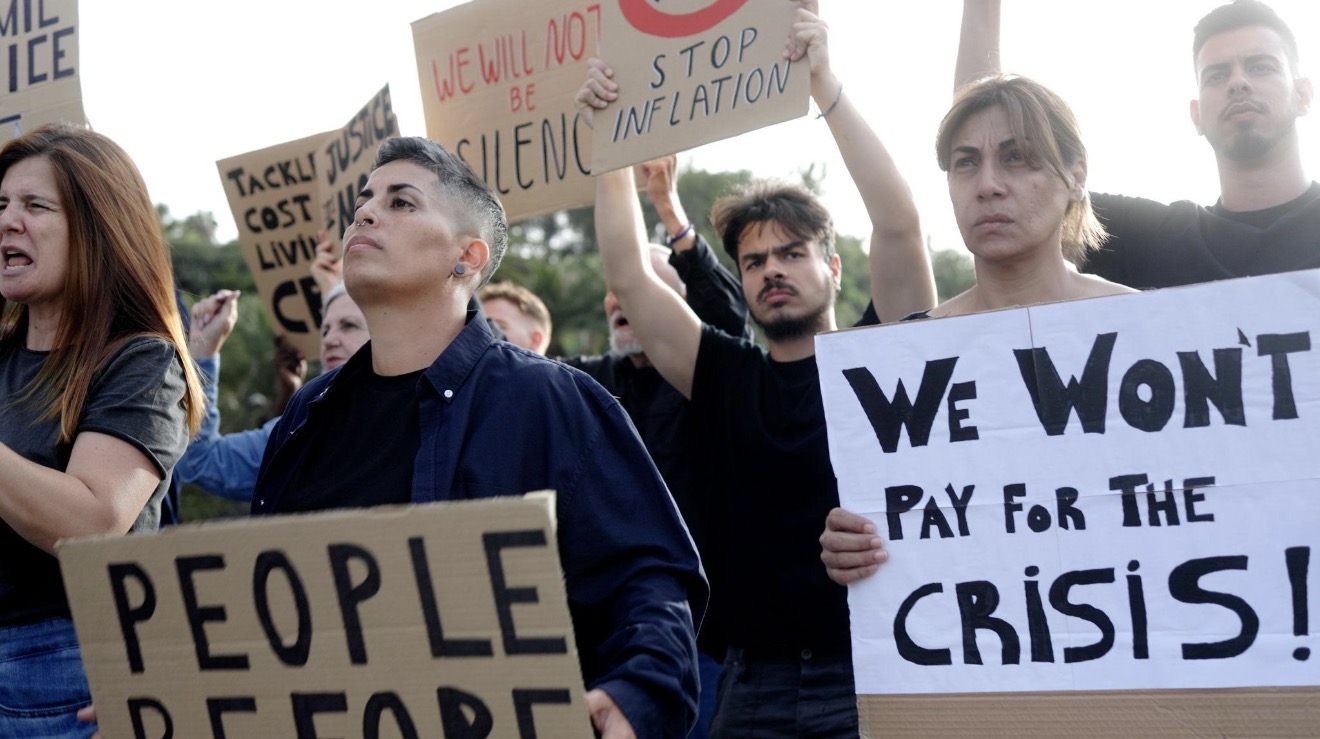
Several European leaders and institutions have expressed concern over the humanitarian consequences of ongoing conflicts.
- Pope Francis has repeatedly called for an immediate ceasefire, protection of civilians, and an end to what he describes as a humanitarian catastrophe.
- Leaders across Europe have urged restraint, accountability, and adherence to international law.
- Public demonstrations in major European cities indicate a widening gap between governments and their citizens on these issues.
👉 The message from Europe is not uniform opposition, but growing moral pressure that cannot be ignored.
3. China and Russia: A Multipolar Challenge
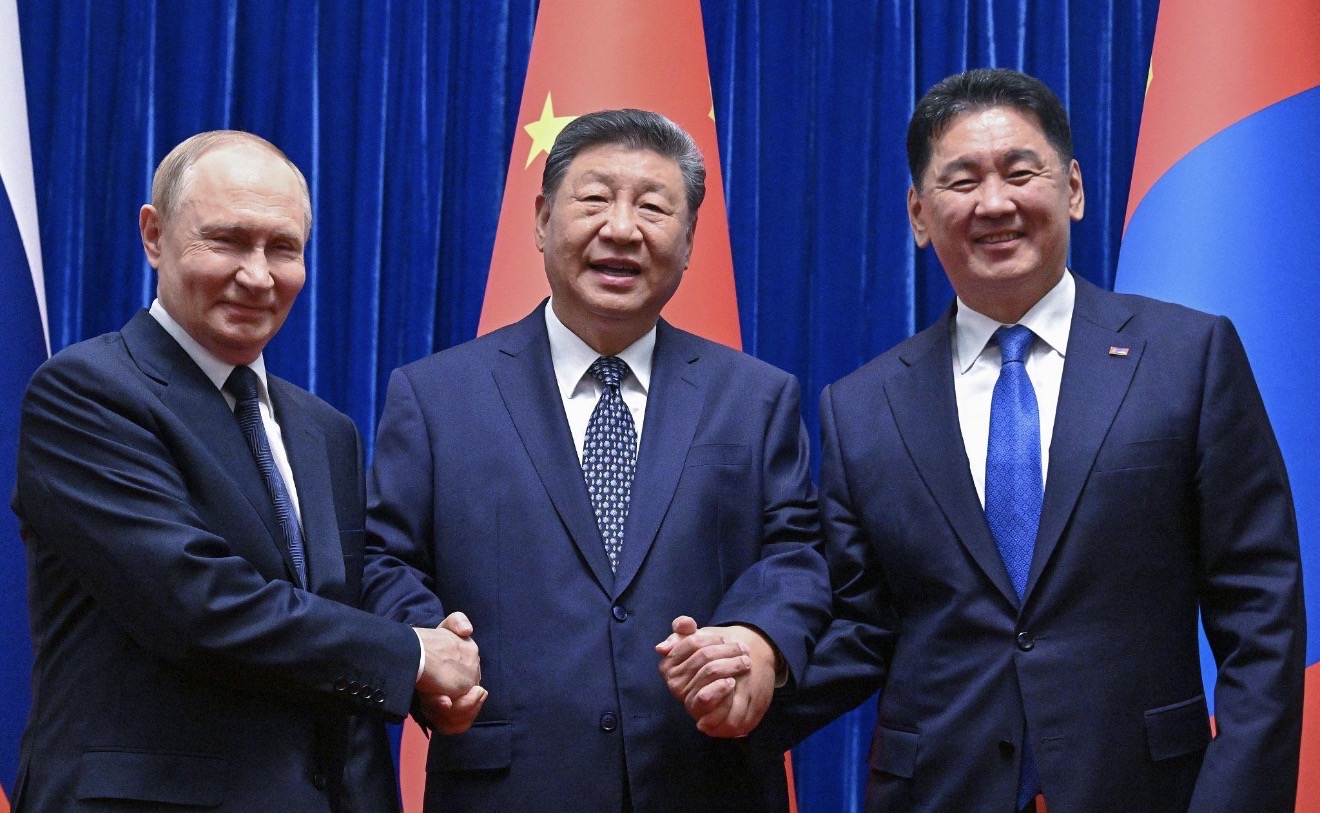
China and Russia are actively shaping an alternative global framework:
- Emphasis on sovereignty, non-interference, and multipolarity
- Calls for ceasefires and negotiated settlements
- Expansion of economic and strategic partnerships across Eurasia and the Global South
These positions implicitly challenge the interventionist approaches often associated with United States policies.
4. The Gulf Shift: From Dependence to Diversification
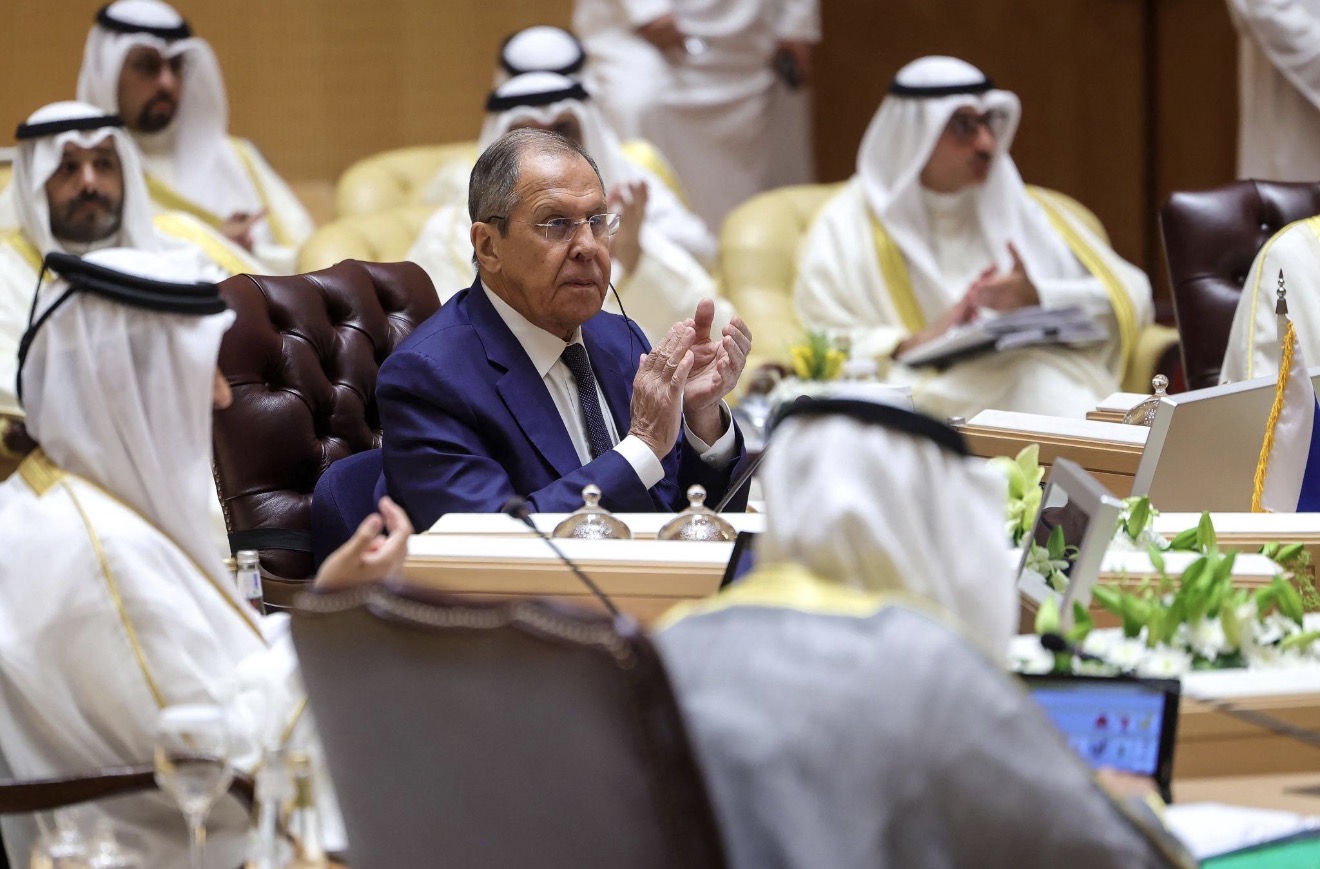
The Gulf region is undergoing a strategic recalibration.
- Saudi Arabia, Qatar, and other states are diversifying security and economic partnerships
- Engagement with China, Russia, and regional actors is increasing
- Defense cooperation is no longer exclusively tied to one power
👉 This does not mean a complete break from the United States, but it clearly reflects:
“Reduced dependence and increased strategic autonomy.”
5. Growing Criticism of Israel’s Policies
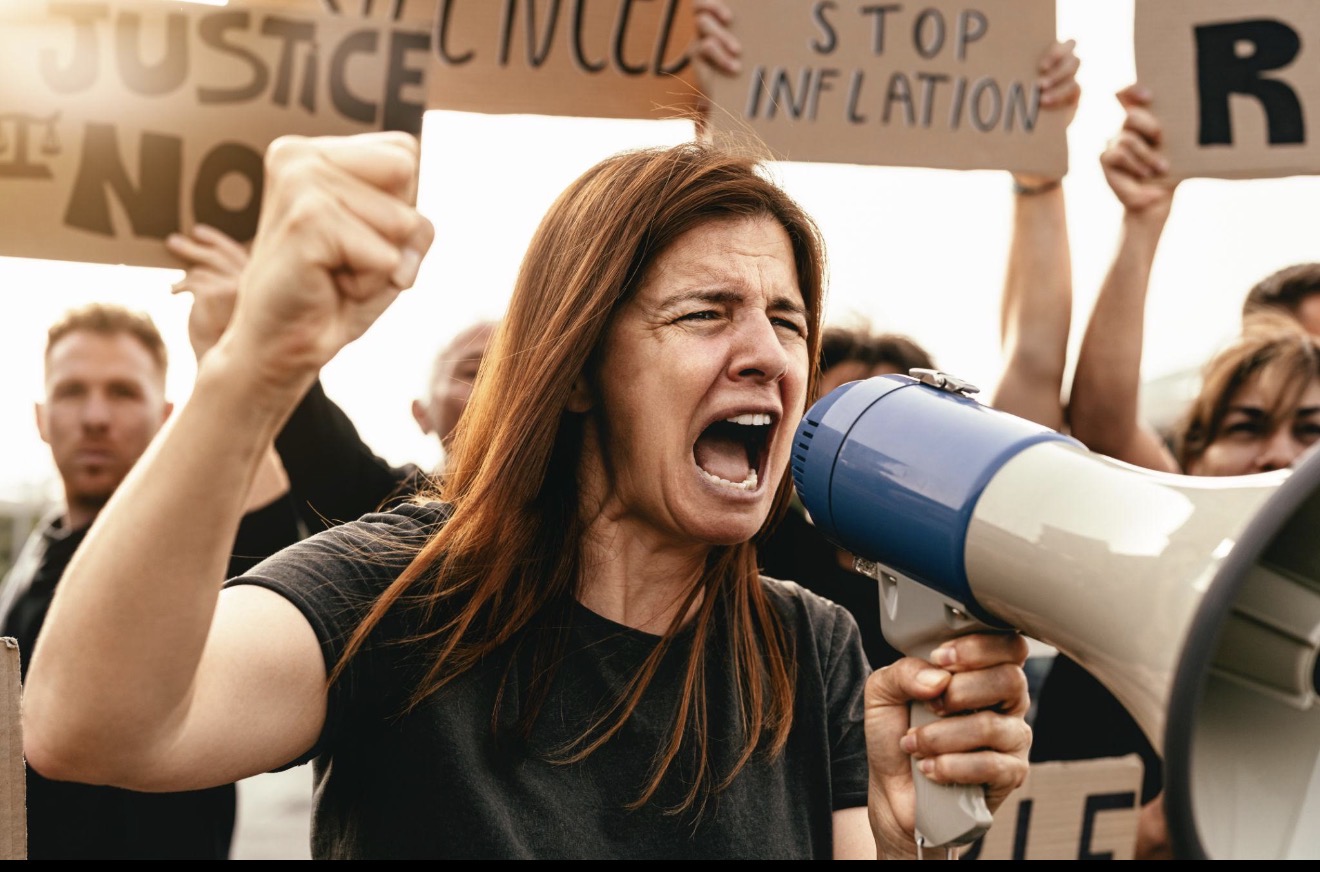
Israel faces rising scrutiny:
- Allegations of disproportionate force
- Expanding humanitarian concerns
- Increasing diplomatic pressure
This criticism is not limited to governments—it is echoed globally by civil society, media, and international forums.
6. The Strategic Risk for the United States
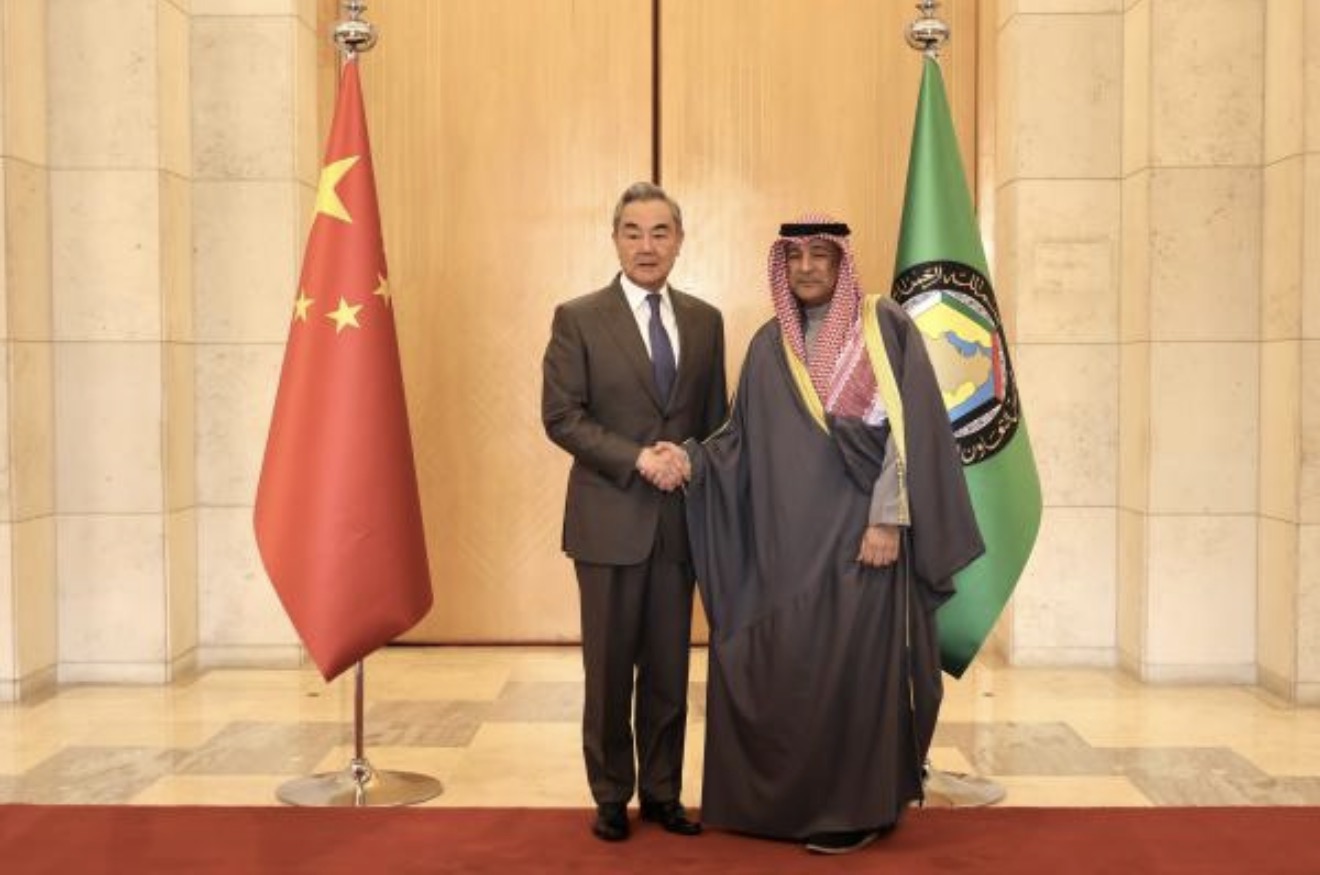
For United States, continued alignment without recalibration carries risks:
- Erosion of global moral authority
- Strain on alliances
- Rising economic and energy pressures domestically
Power in the modern era is not sustained by military capability alone—it depends on credibility, legitimacy, and public trust.
7. A Direct Warning
This is not hostility—it is a strategic warning:
If the United States and Israel continue on a path of prolonged conflicts, unilateral decisions, and disregard for evolving global opinion, their relative influence will diminish.
The world is transitioning toward a multipolar order.
In such a system, rigid policies and continuous military engagement can accelerate decline rather than preserve dominance.
8. The Way Forward
- Prioritize diplomacy over confrontation
- Invest in domestic welfare, energy stability, and economic resilience
- Engage with the world through balance, respect, and cooperation
Conclusion
The trajectory of global power is changing.
Nations that adapt will remain influential.
Those that do not may gradually lose the position they once held.
Syed Ali Raza Naqvi Bukhari
Unity of Peace, Economic Reform, and Global Unity
Founder & Chairman of Tehreek Istehkam Pakistan, and the author of “Law of God” and “Social Democratic System.” advocates for truth, social justice, and reform in all sectors of society.


Comments
Post a Comment