War in the Middle East: A Call for Peace and Immediate Ceasefire.
Picture just for reference
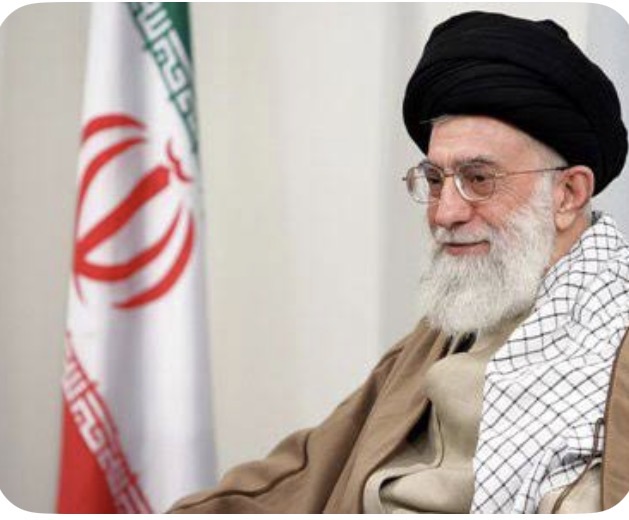
War in the Middle East: A Call for Peace and Immediate Ceasefire.
🌍🕊️
The recent escalation of conflict involving Iran, United States, and Israel has created deep concern across the world. Military attacks and counterattacks have increased tensions in the Middle East and raised fears of a wider global conflict.
This dangerous situation threatens not only the countries directly involved but also the stability of the entire world. At such a critical moment, the international community must prioritize peace, dialogue, and immediate ceasefire instead of continued military escalation.
A Threat to Global Peace
War in the Middle East is never a local issue. It quickly becomes an international crisis. The involvement of major powers means that the conflict can expand beyond regional boundaries and affect global security.
If the fighting continues, more countries may be drawn into the conflict, increasing the risk of a large-scale war. Such a scenario could destabilize the international system and threaten global peace.
Peace is not only a moral necessity but also a practical requirement for the survival of humanity.
Economic Consequences for the World
One of the most immediate consequences of war is economic instability. Rising tensions in oil-producing regions can disrupt energy supplies and lead to sharp increases in petroleum prices.
Higher fuel prices will affect transportation, electricity, and food production. Developing countries will suffer the most as inflation increases and economic pressure grows.
For many nations, including those already struggling economically, a prolonged conflict could create serious financial crises.
Humanitarian Concerns
War always brings human suffering. Civilians often become the greatest victims of military conflicts. Destruction of homes, schools, and hospitals leads to long-term social damage.
Families lose their loved ones, and communities lose their stability. The continuation of war only increases pain and uncertainty for ordinary people.
Human life must be valued above political or military goals.
The Need for Immediate Ceasefire
An immediate ceasefire is the most urgent step needed to prevent further destruction.
The international community, especially the United Nations, should take active measures to stop the fighting and encourage peaceful negotiations.
Stopping the war will create an opportunity for dialogue and mutual understanding.
Dialogue Instead of Destruction
History shows that conflicts eventually end through negotiation, not endless fighting. Diplomatic engagement can help reduce tensions and build trust between nations.
Peaceful solutions require courage and wisdom from political leaders. Military victories are temporary, but peace agreements can provide lasting stability.
The world needs leadership that values peace over confrontation.
A Collective Responsibility
Global peace is a shared responsibility. Governments, international institutions, and civil society must work together to prevent further escalation.
Silence in times of crisis can lead to greater destruction. The world must raise its voice for peace and oppose unnecessary wars.
Humanity cannot afford another large-scale conflict.
Conclusion: Peace is the Only Way Forward
The current tensions present a serious warning to the world. Continued conflict will only bring destruction, economic hardship, and human suffering.
The leaders of Iran, the United States, and Israel must recognize the dangers of escalation and take immediate steps toward peace.
A ceasefire and sincere negotiations are the only path that can protect global stability and human dignity.
War divides humanity — peace unites it.
Syed Ali Raza Naqvi Bukhari
Unity of Peace, Economic Reform, and Global Unity
Founder & Chairman of Tehreek Istehkam Pakistan, and the author of “Law of God” and “Social Democratic System.” Advocate for truth, social justice, and reform in all sectors of society.


Comments
Post a Comment