U.S.–Iran Ceasefire and the Role of Pakistan in Restoring Global Peace.
Picture just for reference
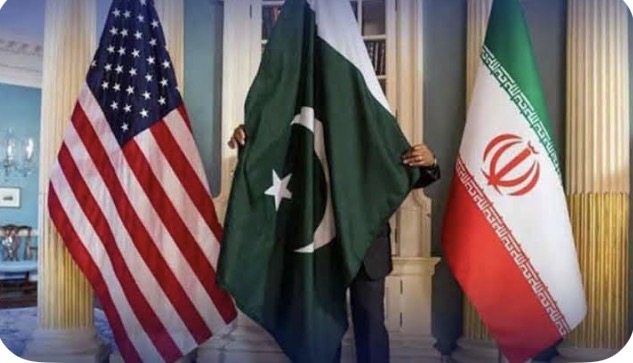 U.S.–Iran Ceasefire and the Role of Pakistan in Restoring Global Peace
A World at a Crossroads
In an era marked by uncertainty and geopolitical tension, the ongoing conflict between the United States and Iran has raised serious concerns about global peace and stability. The continuation of hostilities threatens not only the Middle East but also the broader international order. At this critical juncture, the call for a ceasefire is not merely a diplomatic necessity—it is a humanitarian imperative.
The Urgent Need for a Ceasefire
War has consistently proven to be a destructive force that brings suffering, displacement, and economic collapse. The ongoing tensions have already strained global markets, heightened regional instability, and placed innocent lives at risk. A ceasefire between the United States and Iran would help de-escalate tensions, create space for dialogue, and prevent further humanitarian crises.
Global institutions such as the United Nations have long emphasized the importance of peaceful conflict resolution. A ceasefire would align with international law and demonstrate a collective commitment to preserving human dignity.
Understanding the Core Issues
The conflict between the United States and Iran is rooted in complex and long-standing issues, including nuclear ambitions, regional influence, economic sanctions, and mutual distrust. Both sides perceive threats to their sovereignty and security, making compromise difficult yet essential.
Without addressing these underlying concerns through dialogue, any military action will only provide temporary relief while deepening long-term animosity.
Pakistan’s Strategic and Diplomatic Role
Amid rising tensions, Pakistan has emerged as a responsible and proactive actor advocating for peace. As a country with strong diplomatic ties across the Muslim world and a strategic understanding of global politics, Pakistan is uniquely positioned to facilitate dialogue.
Pakistan has reportedly engaged in backchannel diplomacy, working alongside regional partners to bridge the communication gap between Washington and Tehran. Its offer to host peace talks reflects a sincere commitment to regional stability and conflict resolution.
The Power of Mediation and Dialogue
Diplomacy remains the most effective tool to resolve conflicts. Countries like Pakistan, Turkey, and Oman can serve as neutral mediators, fostering an environment where both parties feel secure enough to negotiate.
Confidence-building measures—such as temporary ceasefires, humanitarian access, and gradual easing of tensions—can help rebuild trust. Constructive engagement, rather than confrontation, is the only sustainable path forward.
A Collective Responsibility for Peace
Peace is not the responsibility of governments alone. The global community, including civil society, intellectuals, and media, must advocate for restraint and dialogue. Raising awareness and promoting peaceful narratives can influence policymakers to prioritize diplomacy over destruction.
Conclusion: Choosing Peace Over Conflict
The world today faces a defining moment. Continued conflict between the United States and Iran risks plunging the region into deeper chaos, with consequences that may extend far beyond its borders. Alternatively, a ceasefire followed by meaningful dialogue offers hope for a more stable and peaceful future.
The role of Pakistan in this scenario is not just diplomatic—it is symbolic of a broader vision where nations rise above conflict to promote unity, understanding, and peace.
Let us act wisely. Let us act now. Let us choose peace.
Syed Ali Raza Naqvi Bukhari
Unity of Peace, Economic Reform, and Global Unity
Founder & Chairman of Tehreek Istehkam Pakistan, and the author of “Law of God” and “Social Democratic System.” advocates for truth, social justice, and reform in all sectors of society.


Comments
Post a Comment