If the Reports Are True: What Would a War Scenario Look Like If Iran Acquires ICBMs, Russian Defense Systems, and Chinese Missile Fuel Support?
If the Reports Are True: What Would a War Scenario Look Like If Iran Acquires ICBMs, Russian Defense Systems, and Chinese Missile Fuel Support?
🌍 Strategic Shift in Global Power
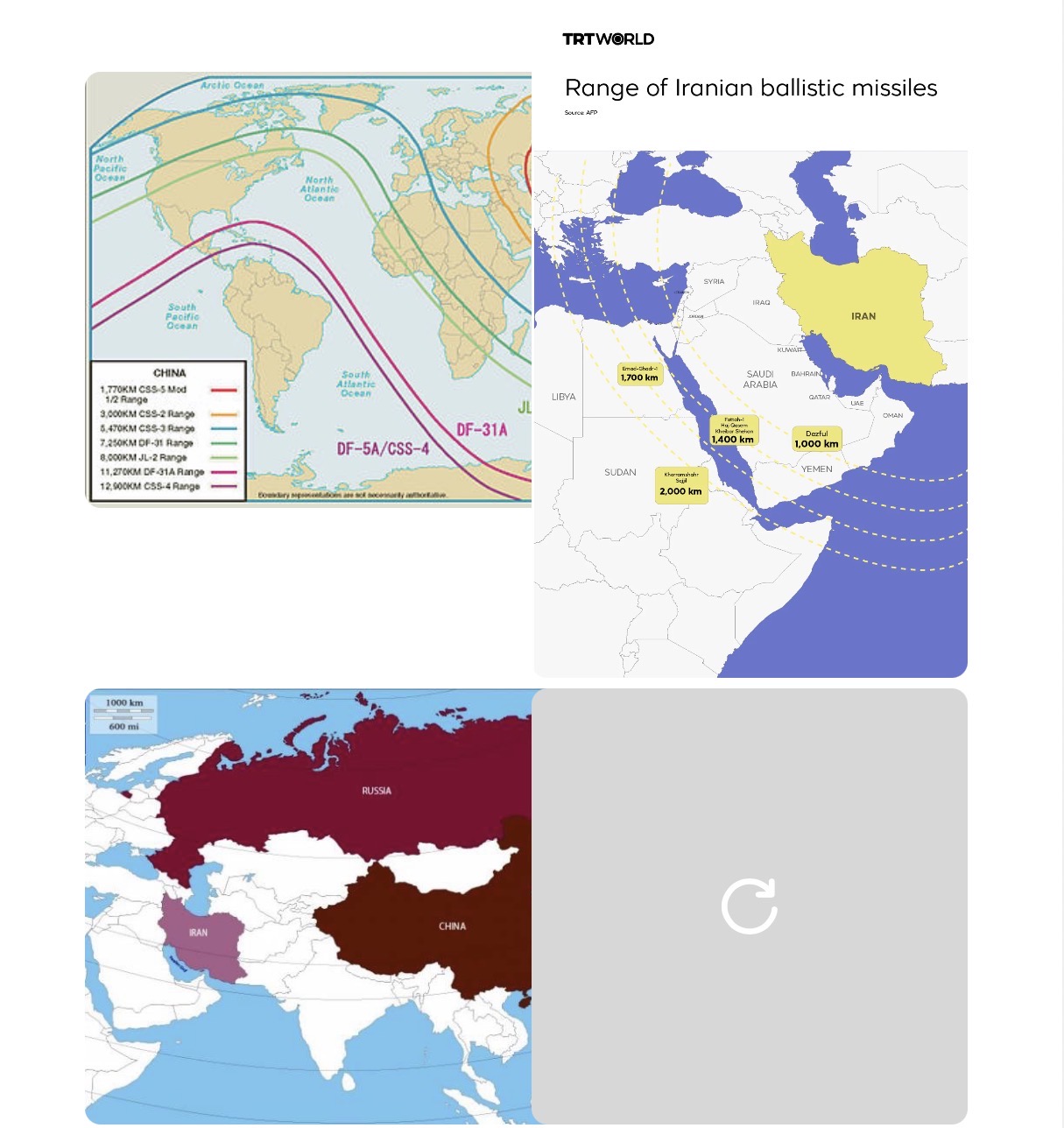 In an increasingly volatile global environment, rumors and strategic leaks often shape public perception as much as actual events. But let us step beyond speculation and ask a serious question: What if it were true?
If Iran were to acquire intercontinental ballistic missiles (ICBMs), advanced Russian defense systems, and Chinese missile fuel support, the global balance of power would shift dramatically. Iran would move from a regional power to a strategic global deterrent force.
🚀 Military Capability Transformation
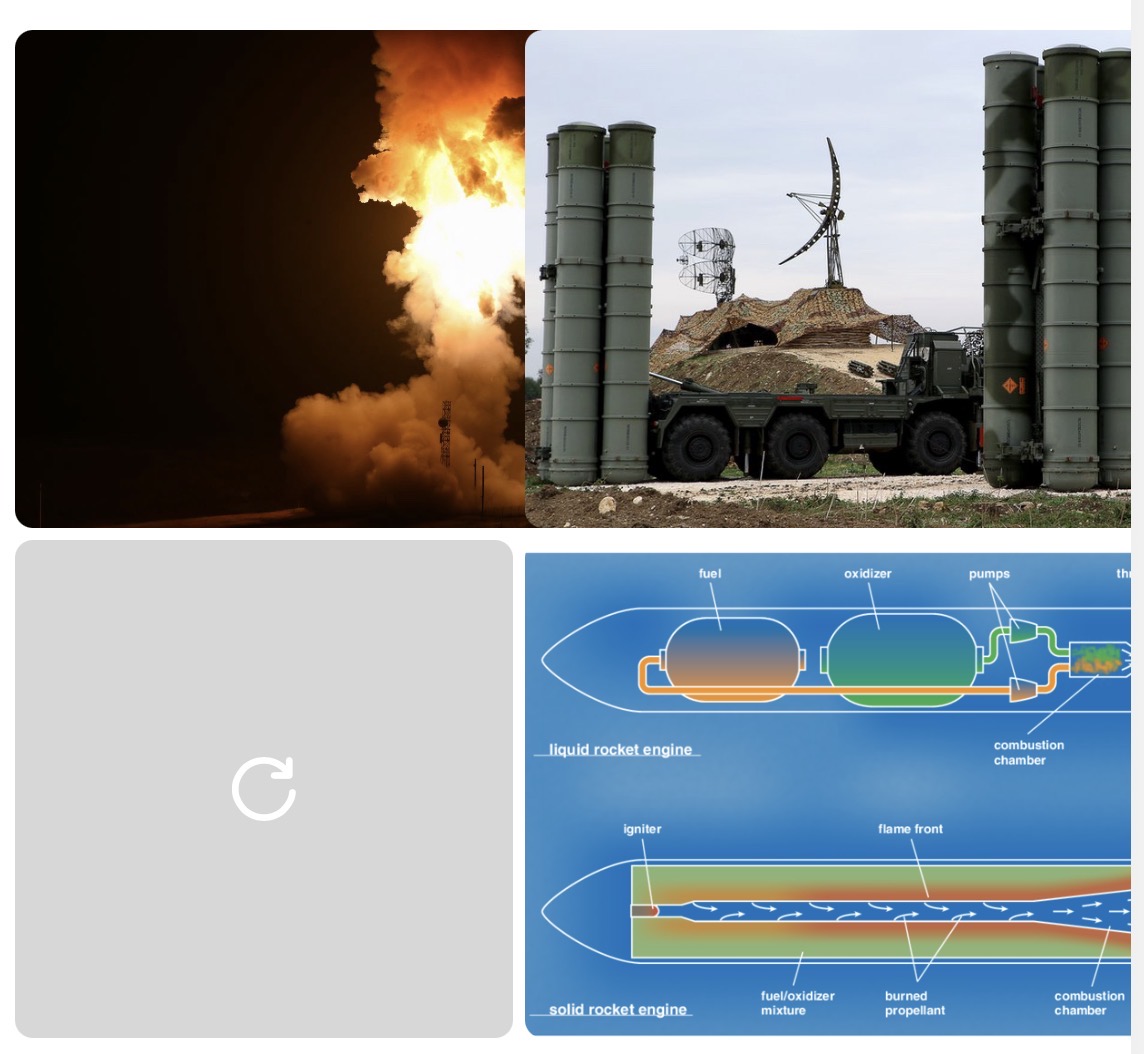
With ICBMs, Iran could potentially target continents far beyond the Middle East. Advanced air defense systems would make it significantly harder for adversaries to carry out successful airstrikes. Meanwhile, improved missile fuel capabilities would enhance both range and sustainability.
This combination would not only strengthen Iran’s military posture—but also reshape deterrence calculations for its adversaries.
📊 Escalation Ladder (War Progression Model)
|
Phase |
Description |
Impact Level |
|
Phase 1 |
Preemptive strike by Israel |
High |
|
Phase 2 |
Iranian large-scale retaliation (missiles + drones) |
Very High |
|
Phase 3 |
Regional war expansion (Lebanon, Syria, Gulf) |
Severe |
|
Phase 4 |
U.S. involvement |
Critical |
|
Phase 5 |
Global polarization (Russia–China vs West) |
Extreme |
⚔️ Collapse of Limited Conflict Doctrine
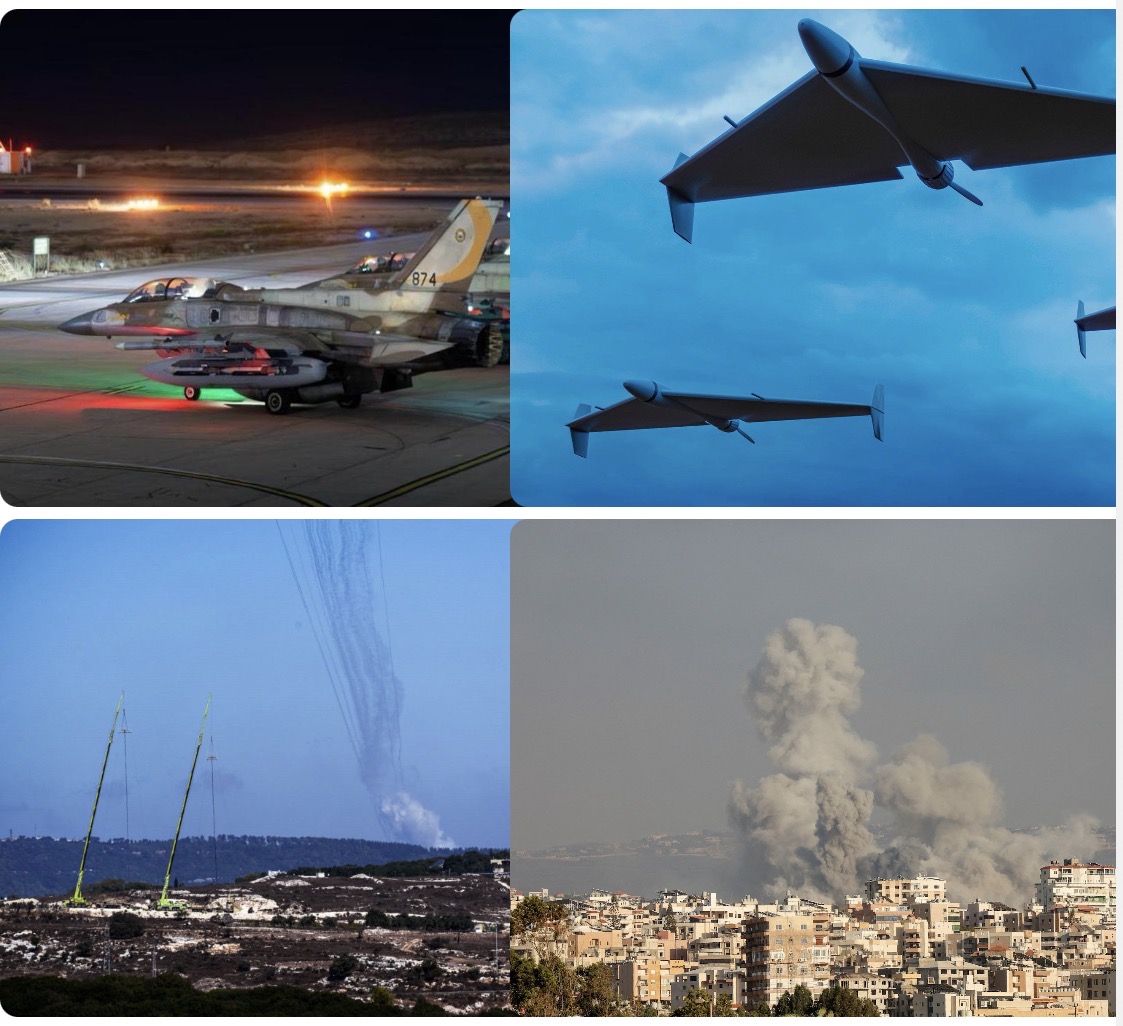 For years, conflicts in the Middle East have remained within controlled limits—proxy wars, precision strikes, and calculated retaliation.
However, under this scenario, that framework collapses.
A single strike could trigger a multi-front war, involving:
- Missile barrages
- Drone swarms
- Proxy forces across multiple countries
This would mark a transition from shadow conflict to direct, high-intensity warfare.
☢️ Nuclear Threshold Risk
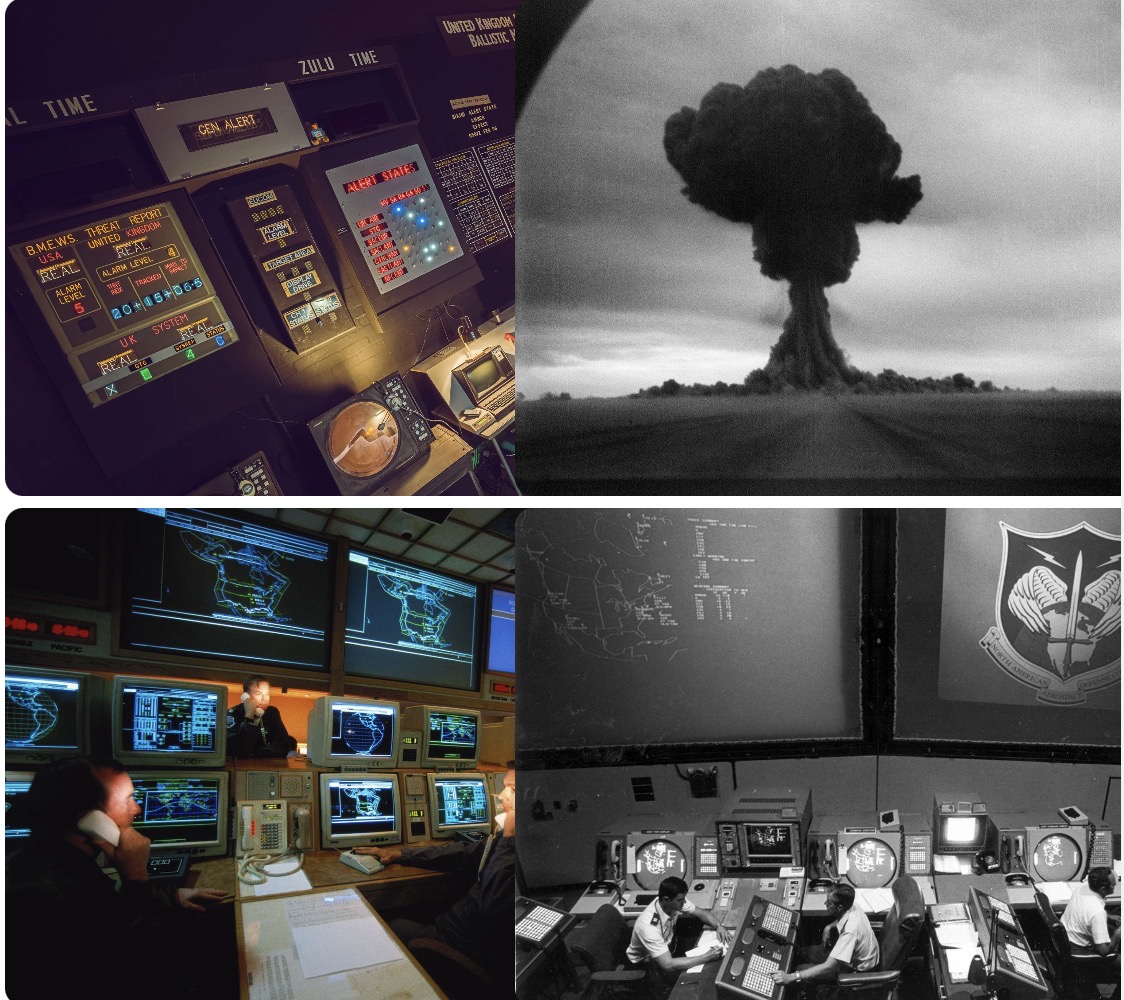 The introduction of ICBMs brings a dangerous عنصر: ambiguity.
- Are the missiles nuclear or conventional?
- Can adversaries afford to wait before responding?
This uncertainty increases the risk of miscalculation, potentially pushing the world toward nuclear escalation—even unintentionally.
🌐 Global Economic & Political Impact
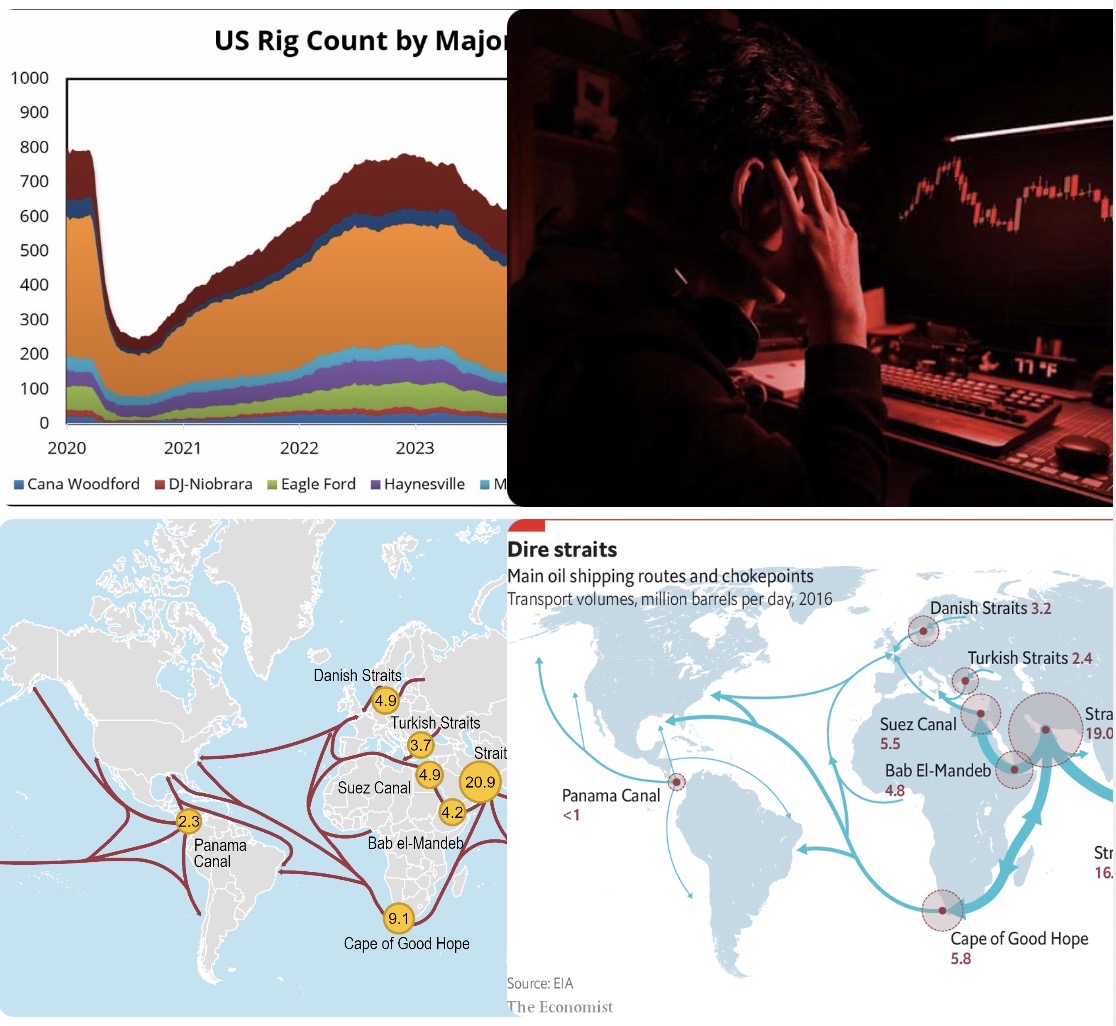 A war of this magnitude would not remain regional.
Key consequences:
- Oil prices could surge beyond $150–200 per barrel
- Global trade routes disrupted
- Inflation and economic instability worldwide
- Humanitarian crises with millions displaced
Countries like Pakistan would face indirect yet severe consequences, including economic pressure and geopolitical balancing challenges.
🧠 Final Analysis
Even if such reports were true, a global war would not be immediate—but the world would move dangerously close to it.
The system would shift from controlled deterrence to unstable escalation, where:
- Decision-making time shrinks
- Miscalculations increase
- Trust between nations erodes
🔑 Conclusion
This scenario represents not certainty—but maximum خطرہ.
It is a world where one misstep, one miscalculation, or one overreaction could ignite a conflict far beyond regional boundaries.
In such times, the call for rational leadership, global cooperation, and visionary reform becomes not just important—but essential.
Syed Ali Raza Naqvi Bukhari
Unity of Peace, Economic Reform, and Global Unity
Founder & Chairman of Tehreek Istehkam Pakistan, and the author of “Law of God” and “Social Democratic System.” He advocates for truth, social justice, and reform in all sectors of society


Comments
Post a Comment