A Strategic Energy Policy for Pakistan: Learning from Global Energy Developments.
Picture just for reference
 A Strategic Energy Policy for Pakistan: Learning from Global Energy Developments.
The global energy sector is undergoing rapid transformation. Nations across the world are strengthening their energy infrastructure to secure economic growth, industrial stability, and geopolitical influence. Recent discussions about major refinery investments and energy partnerships between powerful economies demonstrate a critical reality: countries that invest strategically in energy infrastructure gain long-term economic advantages.
For Pakistan, these developments present both a challenge and an opportunity. The country possesses significant geographic potential, natural resources, and strategic connectivity. However, inconsistent policies, outdated infrastructure, and limited long-term planning have prevented Pakistan from fully utilizing its energy potential. To ensure economic stability and national progress, Pakistan must adopt a comprehensive and forward-looking energy policy.
Modernizing Pakistan’s Refining Capacity
One of the most pressing issues in Pakistan’s energy sector is the outdated nature of its oil refineries. Many existing refineries operate with older technologies that produce limited quantities of high-value petroleum products while generating excessive furnace oil.
Modern deep-conversion refineries can significantly improve efficiency by producing higher proportions of gasoline, diesel, and petrochemical feedstock. Upgrading existing facilities and establishing new refineries—particularly in coastal areas such as Karachi and Gwadar—could reduce Pakistan’s dependence on imported refined petroleum products.
Such investments would not only strengthen energy security but also save billions of dollars in foreign exchange while creating employment opportunities in engineering, logistics, and industrial services.
Expanding Domestic Oil and Gas Exploration
Pakistan’s geological landscape suggests the presence of untapped oil and natural gas reserves. Regions in Balochistan, Sindh, Khyber Pakhtunkhwa, and offshore areas of the Arabian Sea remain underexplored compared with many other energy-producing regions of the world.
Encouraging international energy companies to invest in exploration through transparent regulations, competitive incentives, and long-term policy stability could significantly increase domestic production.
A well-structured exploration strategy would reduce reliance on imports and strengthen Pakistan’s economic resilience.
Developing Gwadar as a Regional Energy Hub
Pakistan’s strategic location provides a unique opportunity to become a regional energy transit and refining hub. The development of Gwadar Port could play a central role in this transformation.
With proper planning, Gwadar could host large-scale oil storage facilities, refineries, and petrochemical industries. Its proximity to major international shipping routes makes it an ideal location for energy trade and logistics.
Transforming Gwadar into a global energy hub would enhance Pakistan’s regional connectivity, increase trade revenue, and strengthen its economic position within the broader Asian energy market.
Investing in Renewable Energy
While oil and gas will remain important components of global energy supply for decades, the transition toward renewable energy is accelerating worldwide. Pakistan is well positioned to benefit from this transformation due to its natural resources.
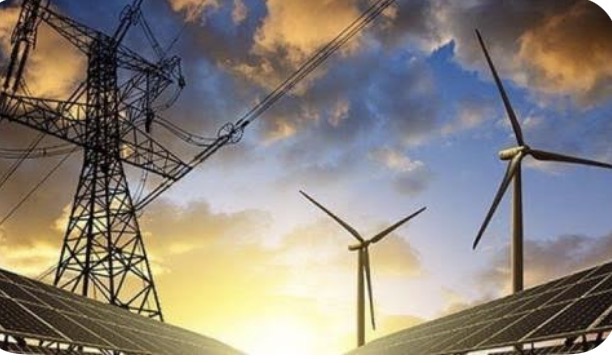
The country has immense solar potential, particularly in southern regions, and strong wind corridors in Sindh. Large-scale investments in solar and wind power can diversify Pakistan’s energy mix and reduce dependence on imported fossil fuels.
Renewable energy development would also help address environmental concerns while ensuring long-term sustainability.
Strengthening Energy Governance and Policy Stability
Infrastructure development alone cannot resolve Pakistan’s energy challenges. Effective governance and policy continuity are equally essential.
Investors require clear regulatory frameworks, consistent taxation policies, and long-term planning before committing large-scale capital. Establishing transparent energy regulations and reducing bureaucratic hurdles would significantly improve investor confidence.
Furthermore, integrating energy planning with broader economic policy—such as industrial development, transportation infrastructure, and technological innovation—would ensure sustainable national progress.
A Vision for Energy Independence
Energy policy must be viewed as a foundation of national strength. Countries that achieve reliable and affordable energy supply create the conditions necessary for industrial expansion, technological development, and social welfare.
For Pakistan, the path forward involves modernizing refineries, expanding exploration, developing strategic energy hubs, and investing in renewable energy resources. With visionary leadership and consistent policies, Pakistan can transform its energy sector into a pillar of economic stability and national growth.
Conclusion
The evolving global energy landscape offers valuable lessons for developing nations. Strategic investment, technological modernization, and long-term planning are essential elements of successful energy policy.
Pakistan possesses the resources and geographic advantages needed to become a significant energy player in the region. By adopting a comprehensive and forward-looking energy strategy, the country can strengthen its economic independence, enhance regional influence, and secure a prosperous future for its people.
Syed Ali Raza Naqvi Bukhari
Unity of Peace, Economic Reform, and Global Unity
Founder & Chairman of Tehreek Istehkam Pakistan, and the author of “Law of God” and “Social Democratic System.” Advocate for truth, social justice, and reform in all sectors of society.


Comments
Post a Comment