A Case Study from Punjab under Maryam Nawaz.
Appreciating Good Governance Beyond Political Differences.
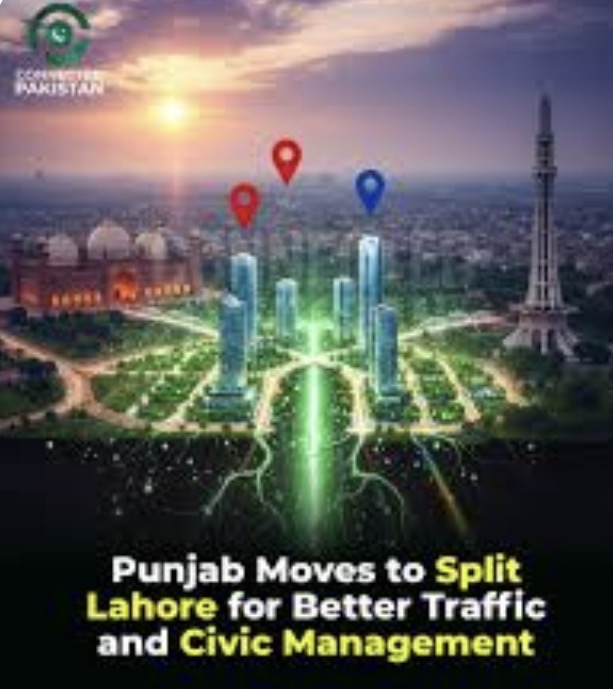
A Case Study from Punjab under Maryam Nawaz.
The Principle: Fairness Above Political Rivalry
In politically polarized societies, fairness becomes a rare but essential virtue. Disagreement is natural in democracy, but blind opposition weakens nations. True political maturity lies in the ability to separate governance from politics and to appreciate positive actions even when they are taken by those we may disagree with.
This principle is especially relevant when observing recent governance initiatives in Punjab under Chief Minister Maryam Nawaz.
Sustainable Urban Planning in Lahore.
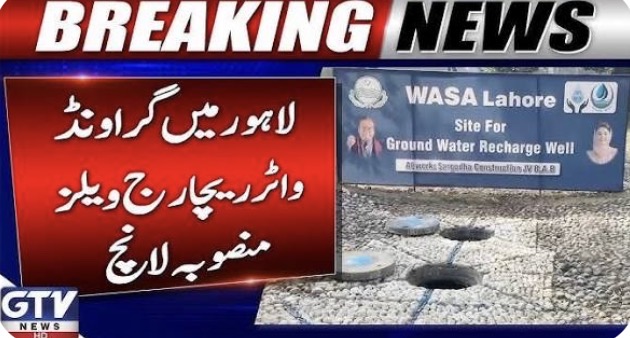
One of the most promising developments in Lahore is the construction of rechargeable wells along major roads to allow rainwater to seep back into the ground. At a time when Pakistan faces severe groundwater depletion, such initiatives reflect environmental awareness and long-term planning. Instead of wasting rainwater, Punjab’s administration has adopted a scientific approach to urban sustainability—a move that deserves recognition regardless of political differences.
Effective Crisis Management in Murree

The handling of heavy snowfall in Murree marks a significant improvement compared to past experiences. This time, timely planning, controlled traffic flow, and effective coordination ensured that no major casualties or large-scale disorder occurred. Crisis management often reveals the true capacity of governance, and in this case, the Punjab government demonstrated preparedness and responsibility.
Modern Transport and Infrastructure Development Across Punjab
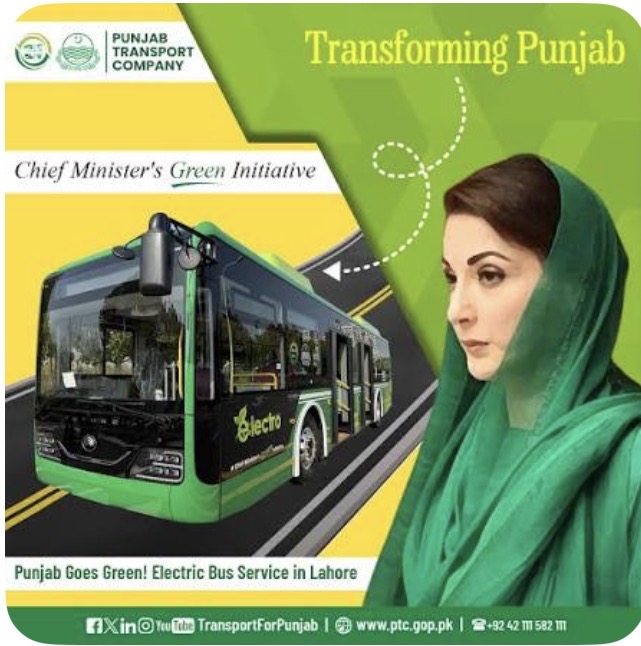
The introduction of electric buses in various cities of Punjab, expansion of road networks, and modernization of urban transport systems indicate a shift toward cleaner and more efficient mobility. These projects directly benefit ordinary citizens by reducing pollution, improving accessibility, and enhancing daily quality of life. Development of infrastructure is not a political slogan—it is a public necessity.
Reviving Culture, Celebrations, and City Aesthetics.

Under the current administration, Punjab has also seen renewed attention to cultural life and urban beauty. Events such as Christmas and New Year celebrations at Liberty Chowk, regulated revival of Basant in Lahore, and systematic decoration of markets and streets have brought color and vitality back into public spaces. These initiatives help restore public morale and create a sense of normalcy and shared joy.

Strengthening Pakistan’s Soft Image Through Inclusivity
Equally significant are symbolic yet powerful gestures, such as the respectful reception of Sikh pilgrims at Nankana Sahib with flower petals. Such actions promote interfaith harmony and project Pakistan as a tolerant and welcoming country. These steps strengthen Pakistan’s soft image internationally, showing that cultural respect and religious coexistence remain core national values.
Appreciating Maryam Nawaz’s Efforts Without Political Endorsement
It is important to clarify that acknowledging these positive steps does not imply unconditional political support. Criticism remains necessary where governance fails or injustice occurs. However, refusing to recognize good work simply because it is associated with Maryam Nawaz or the Punjab government would be intellectual dishonesty.
My position is simple and principled:
No matter how deep our disagreements may be with any individual or political party, good work must be appreciated.
Conclusion: Progress Belongs to the People, Not Parties
Nations move forward when criticism and appreciation coexist. When we recognize improvement, we encourage better governance; when we criticize fairly, we strengthen accountability. Punjab’s recent initiatives show that progress is possible when administration focuses on service delivery rather than slogans.
Ultimately, good governance does not belong to a name or a party—it belongs to the people of Pakistan.
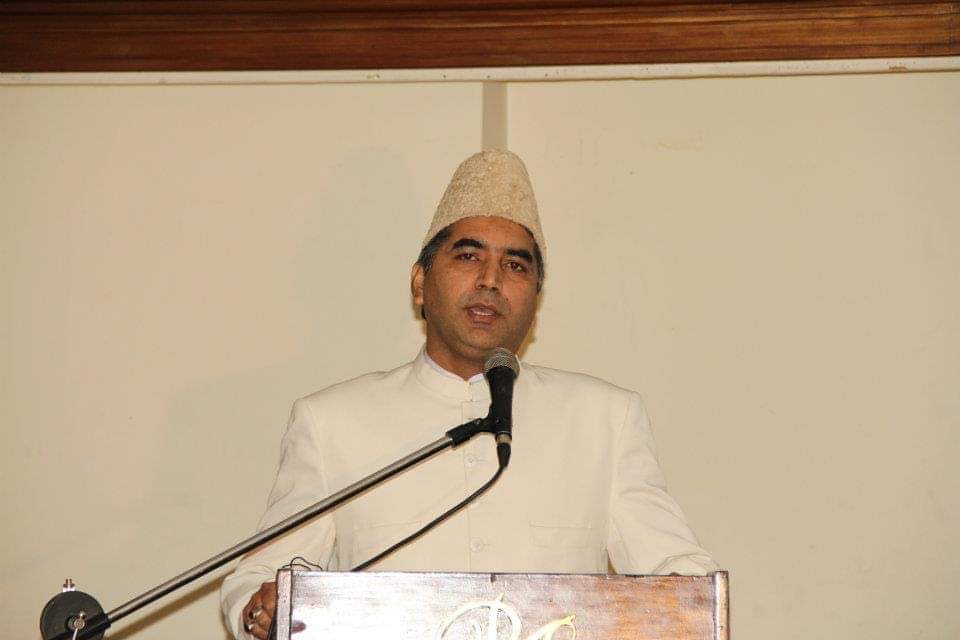
Syed Ali Raza Naqvi Bukhari
Unity of Peace, Economic Reform, and Global Unity
Founder & Chairman of Tehreek Istehkam Pakistan, and the author of “Law of God” and “Social Democratic System.”
Advocate for truth, social justice, and reform in all sectors of society.


Comments
Post a Comment