The Epstein Case: Facts, Files, Power, and Public Doubt.
Picture just for reference
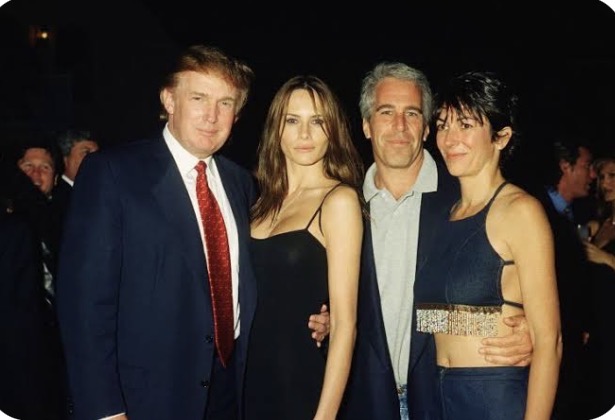
The Epstein Case: Facts, Files, Power, and Public Doubt.
The case of Jeffrey Epstein remains one of the most controversial criminal scandals of the 21st century. It involves allegations of sex trafficking, elite connections, sealed court records, institutional failure, and a prison death that fueled global suspicion.
To understand the case responsibly, one must separate documented facts from speculation.
1. The Early Florida Case (2005–2008)
Epstein was first investigated in Florida in 2005 for sexually abusing underage girls. In 2008, he entered into a highly controversial plea agreement with federal prosecutors.
Key elements of the plea deal:
- He pleaded guilty to state charges.
- Served only 13 months in a county jail.
- Was allowed work release privileges.
- Federal prosecutors agreed not to pursue charges against potential co-conspirators.
This agreement later drew heavy criticism and was widely viewed as a failure of the justice system.
2. The 2019 Arrest and Federal Charges
In July 2019, Epstein was arrested in New York on federal charges of sex trafficking minors. The indictment alleged a large-scale abuse network involving multiple victims over many years.
Before trial, in August 2019, Epstein was found dead in his jail cell.
The official ruling: suicide by hanging.
However, the circumstances surrounding his death immediately triggered public doubt.
3. Why Did So Many People Suspect Foul Play?
Several unusual factors raised suspicion:
- Surveillance cameras malfunctioned.
- Guards reportedly fell asleep and falsified records.
- Epstein had previously been placed on suicide watch but was later removed.
In 2023, the U.S. Department of Justice Inspector General concluded that while there were serious failures and negligence within the jail, there was no evidence supporting homicide.
Still, many people found the timing troubling: Epstein died before he could testify or face trial.
4. The Role of
Maxwell, Epstein’s longtime associate, was later prosecuted and convicted in 2021 for helping recruit and groom underage girls. In 2022, she was sentenced to 20 years in prison.
Her conviction confirmed that the trafficking network existed.
However, her trial did not lead to criminal convictions of high-profile political leaders.
5. The “Epstein Files” — What Are They Really?
The term “Epstein Files” refers not to a single document but to:
- Court depositions
- Civil lawsuits
- Flight logs
- Witness statements
- Sealed records later unsealed by court order (notably in 2023–2024)
Some well-known individuals whose names appeared in documents or flight logs include:
Important clarification:
Being named in documents does NOT equal criminal guilt.
For example:
- Clinton acknowledged flying on Epstein’s plane but denied wrongdoing.
- Trump stated he cut ties with Epstein years earlier.
- Prince Andrew settled a civil lawsuit without admitting guilt.
No U.S. president has been criminally convicted in connection with Epstein.
6. Why Were Documents Released Years Later?
Many people question why sealed files were released years after Epstein’s death.
The reasons are largely procedural:
- Courts seal records to protect victims.
- Ongoing investigations limit disclosure.
- Media organizations and legal groups petition courts to unseal documents.
- Judges gradually release materials after reviewing privacy and legal concerns.
Delayed release does not automatically indicate political manipulation, although it does fuel public suspicion.
7. Was Epstein Killed to Protect Powerful People?
This is the most persistent question.
Three main theories exist:
- Suicide (official finding).
- Gross negligence in prison supervision.
- Coordinated murder to silence him.
As of now:
- No court has ruled it a homicide.
- No verified forensic evidence has proven assassination.
- No formal charges have been filed suggesting murder.
That said, public distrust persists because:
- The plea deal seemed unusually lenient.
- The prison failures were extreme.
- Powerful elites were socially connected to him.
Suspicion is understandable. But legally speaking, suspicion is not proof.
8. Claims of Political Diversion (e.g., Iran Tensions)
Some argue that international tensions — including U.S.–Iran escalations — were used to distract from Epstein-related revelations.
However:
- There is no verified evidence linking foreign policy actions to efforts to bury Epstein disclosures.
- Geopolitical conflicts between the U.S. and Iran long predate the Epstein case.
Such claims remain political speculation rather than documented fact.
9. The Broader Lessons
The Epstein case reveals several deeper issues:
- Wealth and influence can distort justice.
- Legal systems can fail victims.
- Transparency delays undermine public trust.
- Elite social networks create public suspicion even without criminal proof.
The case stands as both a criminal scandal and a crisis of institutional credibility.
Conclusion
The Epstein case is a mixture of confirmed crimes, documented institutional failures, powerful social connections, and unresolved public doubt.
Facts we know:
- A trafficking operation existed.
- Victims were harmed.
- Maxwell was convicted.
- Epstein died before trial.
- Courts have gradually unsealed documents.
What we do NOT have:
- Proven evidence of a political assassination.
- Criminal convictions of top global political leaders.
- Verified proof that foreign conflicts were used to divert attention.


Comments
Post a Comment