Iran, the United States, and the Regime Change Debate.
Picture just for reference
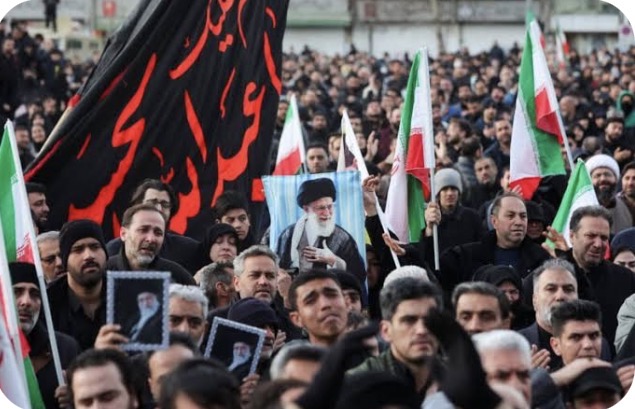
Iran, the United States, and the Regime Change Debate
1. Background of U.S. Policy Toward Iran
During the presidency of Donald Trump, the United States withdrew from the Iran nuclear agreement and imposed strict economic sanctions on Iran. The strategy, often described as “maximum pressure,” aimed to weaken Iran economically and push its leadership toward policy changes.
Supporters argued that economic pressure would force reforms. Critics, however, believed it would increase regional instability and strengthen hardline elements inside Iran.
2. Iran’s Political Structure
Iran’s system combines religious authority with elected institutions. The Supreme Leader holds the highest authority, while the president and parliament operate within constitutional boundaries. Leadership transitions follow a formal internal process.
Because of this structured system, sudden external-driven “regime change” becomes highly unlikely. Historically, foreign pressure often strengthens internal unity rather than causing collapse.
3. Regional Geopolitics
Iran plays a major role in Middle Eastern politics. Any instability in Tehran can affect Iraq, Syria, the Gulf region, and global energy markets. For this reason, global powers usually balance pressure with diplomacy to avoid uncontrolled escalation.
4. Has Regime Change Failed?
If the objective was immediate political collapse or leadership replacement through external pressure, that did not materialize. The Iranian state structure remained intact, and internal control mechanisms were reinforced.
Therefore, from a practical standpoint, the idea of regime change through sanctions alone did not succeed.
5. Strategic Lessons
International politics shows that sustainable political transformation generally comes from internal reform, institutional evolution, and public participation—not solely from outside intervention.


Comments
Post a Comment