Energy Wars or Global Stability?
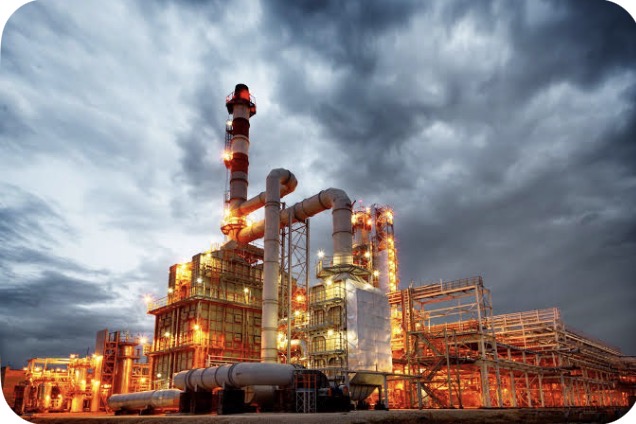
Picture just for reference
Energy Wars or Global Stability?
How the World Can Shift from Oil Politics to Human Development
Major global conflicts are often framed around ideology, borders, or power balances. However, in reality, energy — particularly oil and gas — has long been the backbone of global geopolitics.
The Middle East has remained the center of global energy production for decades. Tensions, interventions, and proxy conflicts in this region repeatedly shake the global economy. Meanwhile, the United States, after the shale oil revolution, has emerged as a major energy exporter. At the same time, the war between Russia and Ukraine disrupted Europe’s energy system and forced a major strategic shift.
All of this demonstrates a fundamental reality: energy is not merely fuel — it is power.
Is Energy Being Used as a Political Weapon?
Whenever geopolitical tensions escalate, oil prices rise. The immediate impact falls heavily on developing nations, leading to inflation, poverty, and fiscal instability.
Countries such as Venezuela, despite possessing vast oil reserves, have faced political pressure, sanctions, and economic isolation. Energy markets, instead of operating purely on free-market principles, often become instruments of political leverage.
This raises an essential question:
Is the world using energy to control, or to develop?
An Alternative Path: A Global Energy Peace Model
If energy were repositioned from a tool of dominance to a shared instrument of human progress, the global order could transform. The following steps may offer a sustainable alternative:
1️⃣ Global Energy Stabilization Fund
Oil-exporting nations could allocate a portion of revenues into a global stabilization fund to assist vulnerable economies and invest in renewable energy transitions.
2️⃣ Regional Energy Integration
Europe, Asia, and Africa could develop interconnected energy grids to reduce dependence on any single supplier, minimizing geopolitical vulnerability.
3️⃣ Renewable Energy Alliances
Joint investments in solar, wind, and hydropower could gradually reduce the strategic dominance of fossil fuels.
4️⃣ Decoupling Energy from Militarization
An international framework could be established to prevent energy supply from being used as a tool of war or political coercion.
Lessons for Pakistan
For countries like Pakistan, long-term stability requires:
- Energy self-reliance
- Strategic investment in solar and hydropower
- Balanced foreign policy in regional energy corridors
Energy independence is the foundation of economic sovereignty.
Conclusion
Energy wars may bring short-term strategic advantages, but lasting global stability can only emerge through cooperation. If oil and gas are treated not as instruments of dominance but as shared assets of humanity, poverty, inflation, and conflict could significantly decline.
The world must move from an “Energy Cold War” toward “Energy Cooperation.” That transformation is essential for meaningful global reform and sustainable peace.
Syed Ali Raza Naqvi Bukhari
Unity of Peace, Economic Reform, and Global Unity
Founder & Chairman of Tehreek Istehkam Pakistan, and the author of “Law of God” and “Social Democratic System.” Advocate for truth, social justice, and reform in all sectors of society.


Comments
Post a Comment