Understanding the Timing of Iftar (Breaking the Fast) in Light of Quran, Hadith, and Islamic Jurisprudence
Picture For reference only
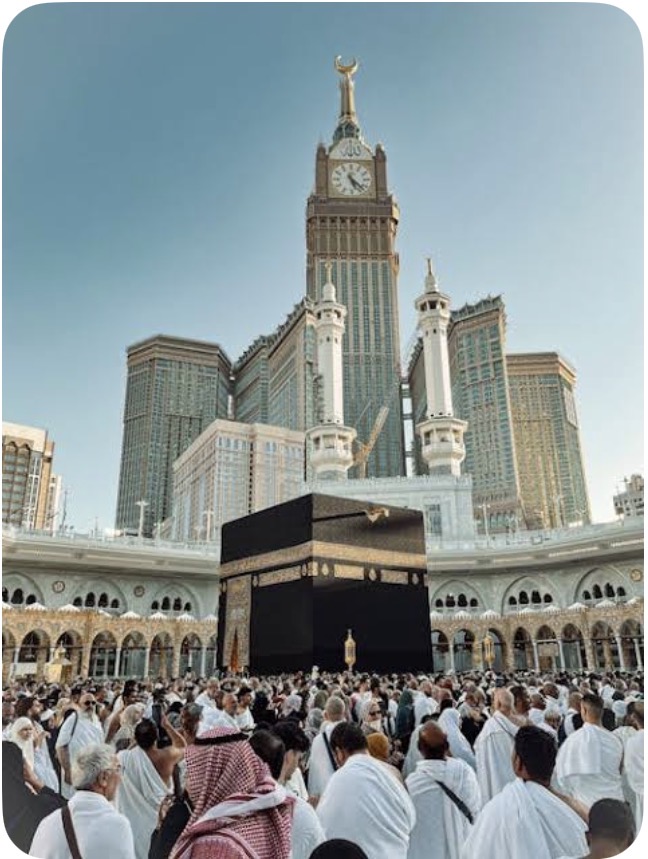
Understanding the Timing of Iftar (Breaking the Fast) in Light of Quran, Hadith, and Islamic Jurisprudence.
Fasting during the month of Ramadan is one of the Five Pillars of Islam, and correctly observing the start and end of the daily fast is crucial. The timing of iftar (breaking the fast) has been clarified in the Quran, Hadith, and further interpreted by scholars from all major Islamic schools of thought, including the four Sunni schools (Hanafi, Shafi’i, Maliki, Hanbali) and the Twelver Shia (Ja’fari) school. This article provides a comprehensive guide that is broadly acceptable to all.
Quranic Basis
The Quran explicitly guides the believer on the timing of the fast:
Surah Al-Baqarah (2:187)
“ثُمَّ أَتِمُّوا الصِّيَامَ إِلَى اللَّيْلِ”
Translation: “Then complete the fast until the night.”
Additionally, the Quran explains:
“وَكُلُوا وَاشْرَبُوا حَتَّىٰ يَتَبَيَّنَ لَكُمُ الْخَيْطُ الْأَبْيَضُ مِنَ الْخَيْطِ الْأَسْوَدِ مِنَ الْفَجْرِ”
Translation: “Eat and drink until the white thread of dawn becomes distinct from the black thread, then complete the fast until night.” (2:187)
Implications:
- Fasting starts at Fajr (dawn) when the first light appears.
- Fasting ends at sunset, signaling the start of night.
- The Quran does not make the call to prayer (adhan) a condition for breaking the fast; it is merely an announcement.
Guidance from Hadith
The Prophet Muhammad ﷺ provided clear practical guidance:
- Breaking the fast immediately at sunset:
“The people will remain on the right path as long as they hasten to break the fast at sunset.” (Sunan Abu Dawood, Hadith 2354) - Use of dates or water to break the fast:
“When one of you is fasting, he should break his fast with dates; if he cannot get them, then with water, for it is pure.” (Sunan Abu Dawood, Hadith 2359) - Avoiding early breaking:
The Prophet ﷺ never broke his fast before sunset, emphasizing the importance of waiting until the proper time.
Conclusion from Hadith:
- Fast should be broken as soon as sunset occurs, not before.
- A slight delay is permissible but not necessary; hastening is preferred.
Fiqh (Jurisprudential) Perspectives
Sunni Schools
1. Hanafi:
- Fast is complete when the sun disappears below the horizon.
- Iftar should not be done before sunset, even by a few minutes.
- Small delays after sunset are permissible but not obligatory.
2. Shafi’i:
- Sunset marks the end of fasting; some scholars allow slight wait to ensure sunset is complete.
3. Maliki:
- Similar to Shafi’i, emphasizing that the fast is valid once the sun has set.
4. Hanbali:
- Sunset is sufficient; immediate iftar is encouraged, aligning with the Prophet’s practice.
Shia (Twelver, Ja’fari)
- Iftar must be after complete disappearance of the sun.
- Many scholars recommend waiting until the adhan of Maghrib for certainty, especially if visual confirmation is uncertain.
- Small delay is considered prudent; early breaking is discouraged.
Summary: All schools agree:
- Do not break the fast before sunset.
- Slight delay is acceptable and sometimes recommended for certainty.
- Adhan is a practical marker but not the ultimate criterion.
Modern Considerations: Astronomy and Global Travel
With global travel and varying sunset times, particularly on airplanes or in high-latitude countries:
- Principle: Fast ends when the sun has truly set at your location, not based solely on clocks or the adhan.
- Air travel: If you are above clouds or sunlight is visible despite local sunset, rely on observational or astronomical data.
- High latitudes (e.g., Finland, Sweden): Follow the nearest location where sunset occurs, or use scholarly guidance for extreme latitudes.
Tools:
- Mobile apps and websites provide sunset times by GPS.
- Using science ensures you do not break fast early and confirms accuracy.
Practical Guidelines
- Sunset is key: Break the fast only when the sun disappears below the horizon.
- Slight delay is safe: Waiting 1–2 minutes after sunset ensures certainty.
- Do not rush: Breaking fast before sunset invalidates it.
- Adhan as aid: Use local mosque adhan as a guide, but confirm if unsure.
- Airplanes or unusual locations: Use astronomical sunset data for your current position.
- Follow the Sunnah: Prefer breaking fast immediately after sunset, ideally with dates and water.
✅ Conclusion
- Sunset marks the true end of the fast; adhan is secondary.
- Waiting a few minutes is safer than breaking the fast early.
- All major schools of thought, Sunni and Shia, emphasize the sun’s disappearance as the decisive criterion.
- Modern astronomy can aid in confirming sunset for accuracy, especially in travel or extreme latitudes.
Simple Rule: 🌇 “Wait until the sun has fully set — then break your fast, even if the adhan was already called.”
Author:
Syed Ali Raza Naqvi Bukhari
Unity of Peace, Economic Reform, and Global Unity
Founder & Chairman of Tehreek Istehkam Pakistan, and the author of “Law of God” and *“Social Democratic System.”


Comments
Post a Comment