Proposal for National Education Reform
Government of Pakistan
Proposal for National Education Reform
(Balanced Learning Model: Books + Technology)
1. Executive Summary
This proposal presents a balanced, evidence-based education reform model for Pakistan, inspired by international experience—particularly Sweden’s recent policy shift from excessive digitalization back to book-centered learning.
The objective is to strengthen foundational literacy, improve learning outcomes, and responsibly integrate technology without compromising cognitive development, cultural values, or educational equity.
2. Background & International Lesson
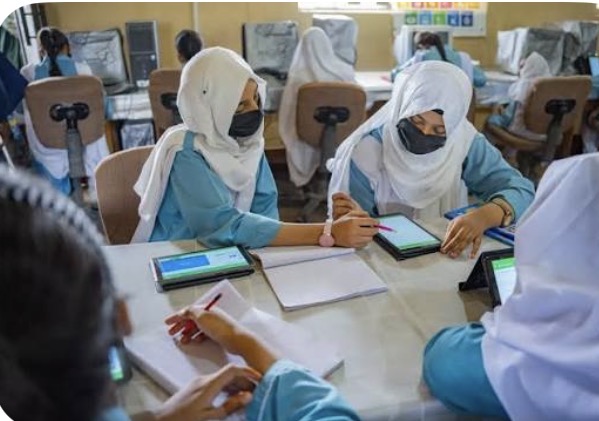
During the last decade, Sweden invested heavily in digital education, distributing tablets and implementing screen-based learning nationwide. However, learning outcomes—especially reading comprehension and attention—declined.
International assessments such as the Programme for International Student Assessment (PISA) highlighted these shortcomings. As a result, Sweden revised its policy (2023–2024), restoring printed textbooks as the primary learning medium, especially in early grades.
Key lesson:
Technology must support education—not replace books, teachers, and cognitive development.
3. Pakistan’s Core Challenges
Pakistan’s education system faces:
- Weak foundational literacy and numeracy
- Overemphasis on rote learning
- Inequality between public and private schools
- Technology adoption without pedagogical readiness
- Undertrained teaching workforce
These challenges require structural reform, not cosmetic digitalization.
4. Objectives of the Proposed Reform
- Strengthen early literacy and comprehension
- Restore the central role of books and teachers
- Introduce technology in a controlled, purposeful manner
- Reduce educational inequality nationwide
- Shift from rote memorization to conceptual learning
5. Proposed National Education Framework
A. Early Education (Nursery to Grade 5)
Policy Direction: Books First
- Mandatory use of printed textbooks
- Instruction in mother tongue + Urdu, with gradual English introduction
- No individual tablets for students
- Limited screen use only as teacher-led visual support
Rationale:
Early cognitive development depends on reading, writing, and direct teacher interaction.
B. Middle Education (Grades 6–8)
Policy Direction: Controlled Digital Exposure
- Scheduled computer or tablet sessions (limited hours per week)
- Focus on research skills, presentations, and basic digital literacy
- Prohibition of non-academic screen usage in schools
C. Secondary Education (Grades 9–12)
Policy Direction: Blended Learning
- Combination of textbooks and verified digital resources
- Optional introduction to coding, AI basics, and technical skills
- Exams to remain concept- and writing-based, not device-based
6. Teacher-Centered Reform (Priority Area)
- Nationwide teacher training in:
- Pedagogy and subject mastery
- Child psychology and assessment methods
- Balanced use of educational technology
Policy Principle:
No technology reform without teacher reform.
7. Examination & Assessment Reform
- Reduction of rote-based MCQs
- Increased analytical and written responses
- Assessment of understanding, reasoning, and expression
- Alignment with curriculum objectives rather than memorization
8. Equity & National Integration
- Uniform minimum learning standards across provinces
- Bridging public–private and urban–rural gaps
- Centralized quality benchmarks with provincial implementation flexibility
9. Implementation Strategy
Phase 1 (Year 1):
- Curriculum adjustment
- Teacher training rollout
- Pilot projects in selected districts
Phase 2 (Years 2–3):
- Nationwide expansion
- Gradual digital integration at middle and secondary levels
Phase 3 (Year 4 onwards):
- Evaluation, refinement, and policy optimization
10. Expected Outcomes
- Improved literacy and comprehension
- Higher student focus and engagement
- Better international assessment performance
- Responsible, cost-effective use of technology
- Stronger national cohesion through equal education standards
11. Conclusion
This proposal emphasizes learning over gadgets, teachers over screens, and books over trends. By learning from Sweden’s correction, Pakistan can avoid long-term educational damage and build a strong, thoughtful, and skilled generation.
Submitted By
Syed Ali Raza Naqvi Bukhari
Founder & Chairman, Tehreek Istehkam Pakistan
Author of Law of God and Social Democratic System
Advocate of educational reform, social justice, and national development


Comments
Post a Comment