Pakistan Didn’t Just Lose a Match — It Lost a Nation’s Hope.
Picture just for reference
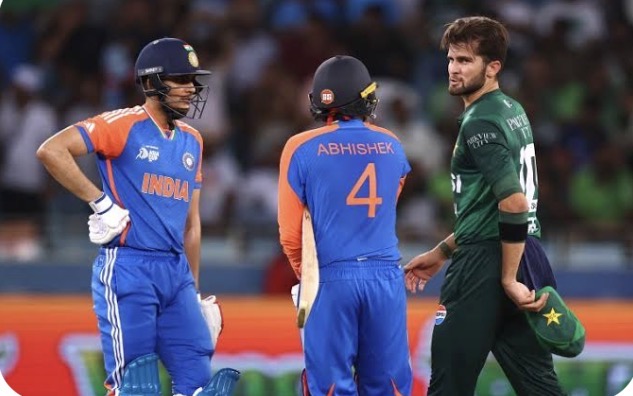
Pakistan Didn’t Just Lose a Match — It Lost a Nation’s Hope.
Pakistan’s defeat was not merely a loss on the scoreboard; it was the collapse of millions of hopes. On a stage where passion, pride, and preparation should define performance, Pakistan appeared to be present but not competing.
In contrast, the India Cricket Team entered the contest with a clear objective: to win. Their intent was visible in planning, execution, and temperament. Pakistan, however, looked like a side fulfilling a fixture rather than fighting a battle.
A Failure of Intent and Planning
Matches between Pakistan and India are rare and historic. They demand the highest level of seriousness, selection clarity, and mental toughness. Unfortunately, the responsibility of ensuring this lies with the Pakistan Cricket Board, and once again, it failed to rise to the occasion.
Team selection raised immediate concerns. Pakistan’s identity has always been built around fast bowling—a legacy admired across the cricketing world. Yet, in this crucial encounter, only one frontline fast bowler was selected, and that too a player struggling with form and consistency. This decision reflected not strategy, but confusion.
Ignoring Pakistan’s core strength in such a high-pressure match was not just a tactical error; it was a betrayal of the team’s cricketing DNA.
Senior Players and the Burden of Responsibility
In moments of crisis, senior players are expected to absorb pressure, stabilize the innings, and guide younger teammates. However, Pakistan’s most experienced players failed to provide that reassurance. When wickets fell, there was no attempt to slow the game, build partnerships, or protect the innings.
Leadership is tested not when things are easy, but when everything is falling apart. Unfortunately, composure, maturity, and match awareness were glaringly absent—especially from those expected to lead by example.
India Played to Win — Pakistan Played to Participate
India adapted to conditions, selected players based on form and suitability, and displayed hunger. Pakistan relied on reputations rather than performance, names rather than merit, and hope rather than planning.
This contrast explained the result more clearly than the final scorecard.
A Systemic Problem, Not a One-Off Loss
This defeat is not an accident. It is the outcome of:
- Weak accountability
- Poor selection policies
- Lack of long-term vision
- Absence of a winning mindset in big matches
Until Pakistan reforms its cricketing structure, prioritizes performance over favoritism, and rebuilds around its true strengths, such losses will continue to repeat themselves.
This was not just a lost match in the ICC Men’s T20 World Cup.
It was a reminder that talent without intent, and skill without strategy, lead only to disappointment.
Syed Ali Raza Naqvi Bukhari
Unity of Peace, Economic Reform, and Global Unity
Founder & Chairman of Tehreek Istehkam Pakistan, and the author of “Law of God” and “Social Democratic System.”
Advocate for truth, social justice, and reform in all sectors of society.


Comments
Post a Comment