Baal, Illuminati, and the Modern Myth: History, Social Media Theories, and Reality.
Picture just for reference
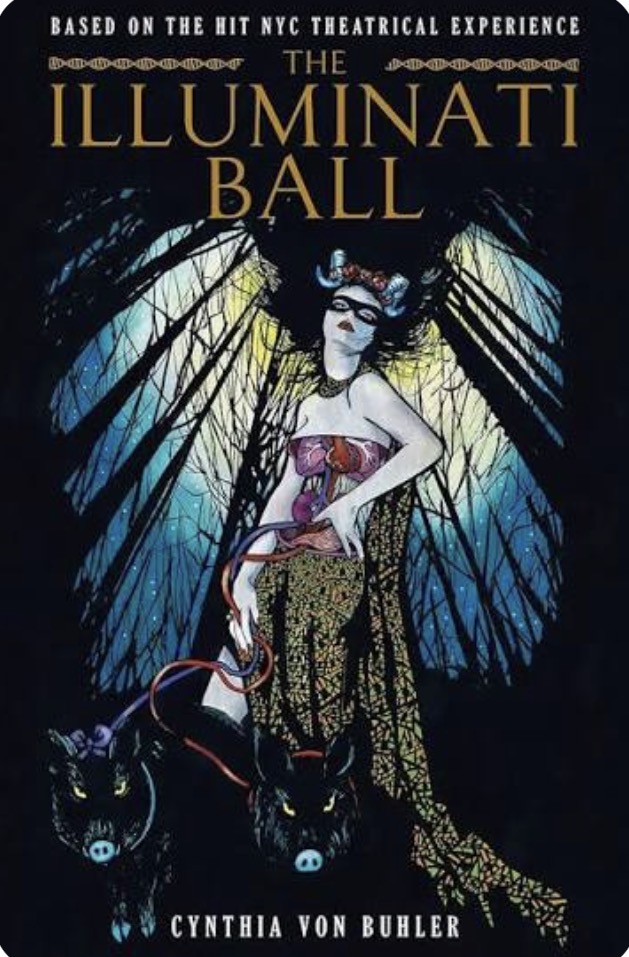
Baal, Illuminati, and the Modern Myth: History, Social Media Theories, and Reality.
Introduction
In recent years, social media has revived ancient names and symbols, often linking them to modern fears and conspiracy theories. One of the most common claims is an alleged connection between Baal, an ancient pagan deity, and the Illuminati, a supposed modern secret power structure. This article examines the issue through historical evidence, religious context, and modern social media narratives, separating fact from fiction.
1. Baal in Historical Context
Baal was not a single god but a title meaning lord or master, used in ancient Canaanite, Phoenician, and Syrian cultures. Different regions worshipped different forms of Baal, mainly associated with:
- Rain and storms
- Fertility and agriculture
- Natural forces beyond human control
Baal worship flourished thousands of years ago, long before modern political systems existed. Ancient societies relied on agriculture, and natural phenomena were often personified as gods.
In Abrahamic traditions, Baal worship was strongly rejected. The Bible mentions prophets opposing Baal worship, most notably Elijah, who called people back to monotheism. Islam also firmly condemns Baal as a false deity and a symbol of shirk (associating partners with God).
Key point:
Baal belongs entirely to the ancient pagan world, not to modern political or ideological movements.
2. The Historical Reality of the Illuminati
The term Illuminati originally refers to the Bavarian Illuminati, founded in 1776 by Adam Weishaupt.
Their actual goals:
- Opposing absolute monarchy
- Challenging religious dominance over the state
- Promoting reason, enlightenment, and education
The organization existed for less than a decade and was officially banned and dismantled by Bavarian authorities in the 1780s.
There is no credible historical evidence that this group survived, evolved, or secretly controls modern institutions.
3. Where Social Media Theories Come From
Social media has merged three unrelated elements into one narrative:
- Ancient pagan gods (like Baal)
- Historical secret societies (like the Illuminati)
- Modern global power structures (banks, media, politics)
This fusion creates a simplified villain for complex global problems.
Why these theories spread so easily:
- Visual symbols are powerful and emotional
- Algorithms reward shocking content
- People seek hidden explanations for injustice and inequality
- Fictional books and films popularized the idea
Works of fiction blurred the line between entertainment and history, leading many to believe symbolism equals worship or control.
4. Is There Any Proven Link Between Baal and Illuminati?
The clear answer is: No.
- Baal existed thousands of years before the Illuminati
- The Illuminati were a European Enlightenment group, not a religious cult
- No historical documents connect Baal worship to Enlightenment thinkers
- No archaeological, academic, or governmental evidence supports this claim
The connection exists only in symbolic or conspiratorial interpretations, not in verified history.
5. Religious and Ethical Perspective
From an Islamic viewpoint, evil does not require:
- A global secret organization
- Ancient gods
- Hidden temples
Instead, corruption spreads through:
- Greed
- Arrogance
- Injustice
- Moral decay
- Disconnection from divine guidance
Labeling every global injustice as “Baal” or “Illuminati” risks oversimplifying real human responsibility.
6. Reality vs Myth: A Clear Comparison
|
Aspect |
Historical Reality |
Social Media Narrative |
|
Baal |
Ancient pagan deity |
Hidden modern power |
|
Illuminati |
Short-lived Enlightenment group |
Eternal global rulers |
|
Evidence |
Texts, archaeology |
Images, speculation |
|
Purpose |
Religious & philosophical |
Fear and control narratives |
Conclusion
Baal and the Illuminati belong to entirely different eras, contexts, and meanings. Their alleged connection is a modern myth, fueled by social media, symbolism, and distrust of global power structures.
Understanding history critically helps society:
- Avoid fear-based narratives
- Focus on real social, political, and ethical challenges
- Separate faith, facts, and fiction
The real struggle of humanity is not against ancient idols or secret names, but against injustice, ignorance, and moral responsibility.


Comments
Post a Comment