Gwadar: From Historical Gift to Strategic Pakistani Port.
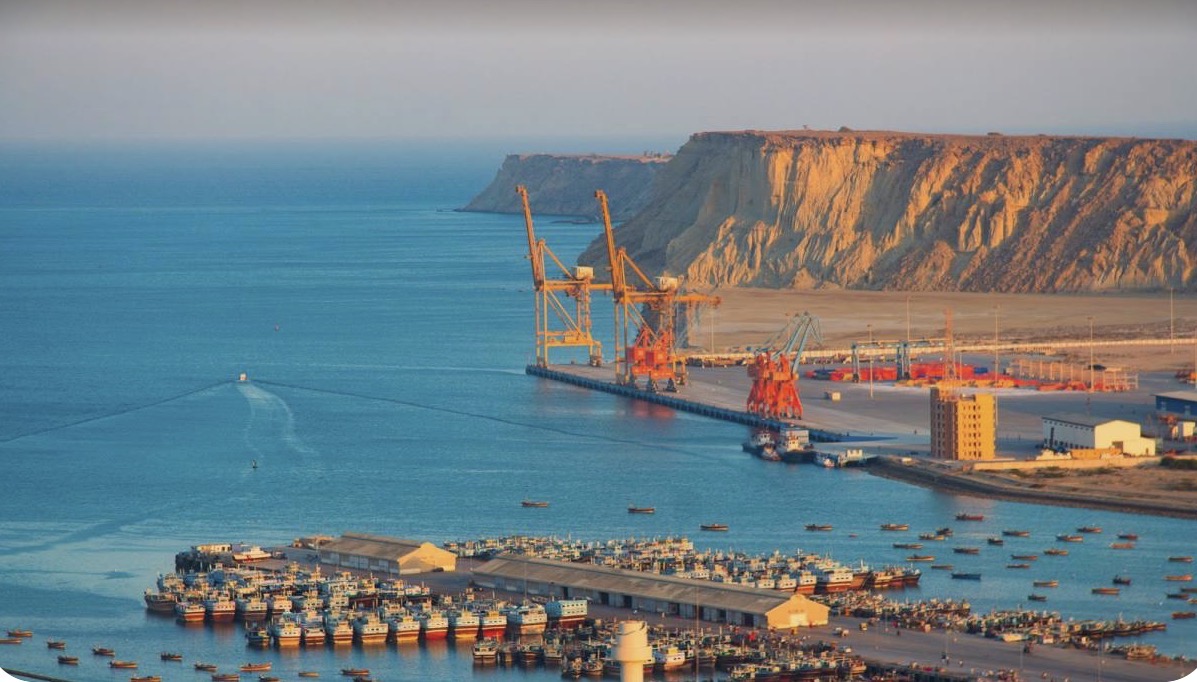
Gwadar: From Historical Gift to Strategic Pakistani Port
Gwadar, today a key port city in Pakistan, has a fascinating historical and geopolitical story that spans centuries, involving local rulers, Oman, India, and Pakistan. Understanding this history clarifies why Gwadar remains firmly under Pakistan’s control despite regional tensions.
Historical Ownership of Gwadar
Originally, Gwadar was part of the territories under the Nawab of Kalat in Balochistan. At some point in history, the Nawab gifted Gwadar to the Sultanate of Oman, which placed the city under Omani control for many decades. This transfer is often overlooked in discussions about Gwadar’s history.
Oman’s Ownership and the Attempted Sale to India
By the 1950s, Oman decided to sell Gwadar. Interestingly, the first offer was made to India, but Prime Minister Jawaharlal Nehru declined the opportunity. India’s calculation underestimated Gwadar’s future strategic and economic importance.
After India’s refusal, the offer was made to Pakistan, which promptly accepted. In 1958, Pakistan officially purchased Gwadar from Oman, incorporating it into the country as part of Balochistan. This legal acquisition ensured that Gwadar became and remained an integral part of Pakistan.
Strategic Importance of Gwadar
Gwadar’s significance today is immense:
- It provides Pakistan with a deep-sea port, crucial for trade and regional connectivity.
- As part of the China-Pakistan Economic Corridor (CPEC), Gwadar is a hub for commerce linking China, the Middle East, and Africa.
- Even hypothetically, if Baloch separatist movements had succeeded in the past, Gwadar would have remained under Pakistan’s legal control, making it impossible for India to acquire the port.
India’s Interest in Balochistan
Despite Gwadar’s legal status, India has reportedly invested resources to support separatist and political movements in Balochistan. It is crucial to understand that:
- India’s goal is not to acquire Gwadar, as the port is legally Pakistan’s.
- The strategy is to create internal instability in Pakistan and indirectly affect strategic routes like Gwadar and Karachi.
- Gwadar remains inaccessible to India due to international law, Pakistan’s legal ownership, and its strategic governance.
Conclusion
Gwadar’s journey—from being part of the Nawab of Kalat’s territory, to a gift to Oman, to Pakistan’s purchase—highlights how history, legal ownership, and strategic foresight shape regional geopolitics. While India may attempt to influence Balochistan, Gwadar itself is firmly under Pakistan’s control, legally and strategically.
This history underscores the importance of strategic acquisitions and legal agreements, proving that foresight in governance and diplomacy can secure national assets for generations.
Author:
Syed Ali Raza Naqvi Bukhari
Unity of Peace, Economic Reform, and Global Unity
Founder & Chairman of Tehreek Istehkam Pakistan, and the author of “Law of God” and “Social Democratic System.” Advocate
for truth, social justice, and reform in all sectors of society.


Comments
Post a Comment