Gulf Crisis, Strategic Restraint, and the Role of Responsible States ( Pakistan & Saudia )
Gulf Crisis, Strategic Restraint, and the Role of Responsible States ( Pakistan & Saudia )
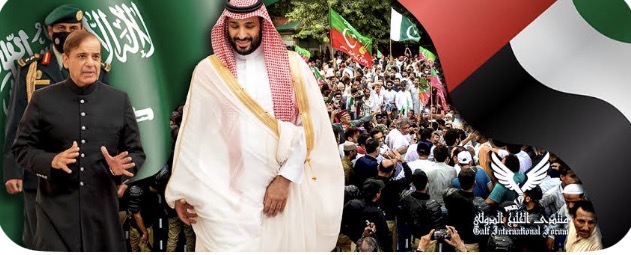
Picture just for reference
Rising Tensions in the Middle East
Relations between United States and Iran have remained tense for decades. Whenever this rivalry intensifies, the entire Middle East faces the risk of instability. Any serious military confrontation between these two states would not remain limited to their borders; instead, it could rapidly affect the wider Gulf region, threatening political stability, security arrangements, and global economic interests.
The Gulf region is one of the most sensitive geopolitical zones in the world because of its strategic location and energy resources. Any escalation in this region can disrupt global trade, oil supply chains, and international security.
The Importance of “Face-Saving” in Global Diplomacy
In international politics, conflicts between major powers often require a diplomatic pathway that allows each side to preserve its prestige and credibility. This concept, commonly referred to as “face-saving diplomacy,” plays a crucial role in preventing conflicts from escalating into full-scale wars.
When a powerful state believes its reputation or global standing is at risk, it may feel compelled to demonstrate strength. However, if diplomatic channels provide an honorable exit or compromise, tensions can be reduced without pushing the parties into a destructive confrontation.
An example of such diplomacy was the Iran Nuclear Deal, which temporarily reduced tensions by creating a negotiated framework acceptable to multiple international actors.
The Strategic Role of Pakistan and Saudi Arabia
In any serious regional crisis, responsible and influential states must step forward to prevent escalation. In this context, Pakistan and Saudi Arabia could potentially play a constructive diplomatic role.
Pakistan maintains historical and geographic ties with Iran while also having strategic relations with many Western and Gulf countries. Saudi Arabia, on the other hand, enjoys deep strategic and economic ties with the United States and holds a central position within the Gulf region.
Together, these two countries could function as bridging powers, facilitating dialogue and helping create diplomatic space for de-escalation.
Risks of a Wider Regional Conflict
If tensions between the United States and Iran escalate into direct confrontation, the consequences could extend to several already fragile regions. Countries such as Iraq, Syria, and Yemen have complex political environments where proxy conflicts could intensify quickly.
Such developments could transform a bilateral conflict into a wider regional crisis, destabilizing the Gulf and affecting global energy markets and international security.
The Need for Strategic Wisdom and Diplomatic Leadership
History demonstrates that wise diplomacy often prevents crises from turning into wars. Responsible states and regional leaders must prioritize dialogue, restraint, and cooperation over confrontation.
If the international community and regional powers adopt a balanced diplomatic approach, it may still be possible to maintain stability in the Gulf and avoid a conflict that would harm not only the Middle East but the entire world.
Peace, stability, and mutual respect must remain the guiding principles of international relations in such critical moments.
Syed Ali Raza Naqvi Bukhari
Unity of Peace, Economic Reform, and Global Unity
Founder & Chairman of Tehreek Istehkam Pakistan, and the author of “Law of God” and “Social Democratic System.” Advocate for truth, social justice, and reform in all sectors of society.


Comments
Post a Comment