Do the Prayers of the Oppressor in War Go Unanswered?
Picture just for the Reference
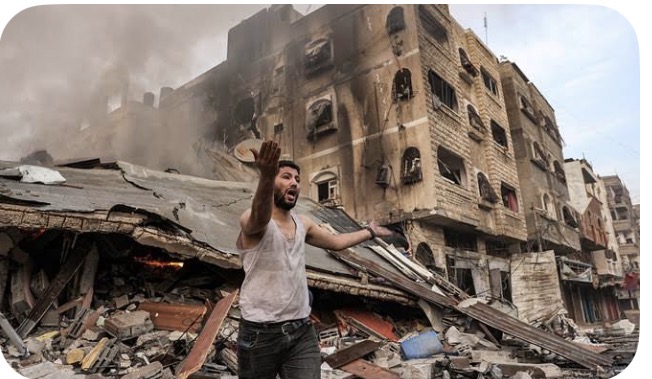
Do the Prayers of the Oppressor in War Go Unanswered?
A Comparative Perspective from Pope Francis and Islam
Introduction
War has always raised profound moral and spiritual questions. Among them is a critical one: Can those engaged in ظلم (oppression) expect their prayers to be accepted by God? Both Christian and Islamic traditions provide deep insight into this issue, emphasizing justice, intention, and moral responsibility.
Pope Francis on War and Moral Contradiction
Pope Francis has repeatedly condemned war, describing it as:
“A defeat for humanity.”
He has stressed that:
- War contradicts the teachings of God
- Violence and destruction distance الإنسان from divine mercy
- One cannot sincerely pray for peace while actively participating in injustice
Key Message
According to Pope Francis, prayer is not merely words—it must align with actions.
👉 If a person engages in aggression or ظلم, their prayer becomes morally inconsistent.
Biblical Foundation
The Christian tradition also reflects this principle in scripture:
- “The Lord is far from the wicked, but He hears the prayer of the righteous.” (Proverbs 15:29)
This indicates:
- God responds to righteousness
- Persistent wrongdoing creates a barrier between الإنسان and divine acceptance
Islamic Perspective on Oppression and Prayer
Islam strongly condemns ظلم (oppression) and emphasizes justice as a core value.
1. Allah Does Not Love the Oppressors
The Qur’an states:
“Indeed, Allah does not love the wrongdoers.”
(Qur’an 3:57)
2. Actions Affect Acceptance of Du‘a
The Prophet Muhammad ﷺ warned about a person:
“He raises his hands to the sky… but his food is unlawful, his drink is unlawful… so how can his supplication be accepted?”
(Sahih Muslim)
This Hadith establishes:
- Unjust actions block the acceptance of prayers
- Moral integrity is essential for divine response
3. The Du‘a of the Oppressed Is Always Accepted
In contrast, Islam gives a powerful assurance:
“Beware of the supplication of the oppressed, for there is no barrier between it and Allah.”
(Sahih Bukhari)
👉 This highlights a divine principle:
- The oppressed are heard
- The oppressor is held accountable
War: Just vs Unjust Context in Islam
Islam does not permit aggression but allows:
- دفاع (self-defense)
- Protection of the oppressed
The Qur’an commands:
“Fight in the way of Allah those who fight you, but do not transgress. Indeed, Allah does not like transgressors.”
(Qur’an 2:190)
Implication
- ظلم (aggression) invalidates moral standing
- Legitimate defense differs from oppression
Common Ground Between Pope Francis and Islam
Both perspectives agree on fundamental principles:
- ❖ God is Just and does not support oppression
- ❖ Prayer requires sincerity and righteous conduct
- ❖ ظلم creates a barrier between انسان and divine acceptance
- ❖ The oppressed are closer to divine justice
Application to Modern Conflicts
In contemporary wars, including crises like those in Gaza:
- The moral question remains central
- If oppression, injustice, and civilian suffering occur,
then religious teachings suggest:
👉 دعائیں (prayers) tied to ظلم lose their moral and spiritual legitimacy
Conclusion
Both Pope Francis and Islamic teachings deliver a unified moral message:
- Prayer is not مجرد الفاظ—it is a reflection of one’s actions
- ظلم (oppression) contradicts divine justice
- The cries of the مظلوم (oppressed) reach God directly
Therefore:
👉 A person engaged in injustice cannot expect sincere acceptance of their prayers without repentance and change in conduct.
Author
Syed Ali Raza Naqvi Bukhari
Unity of Peace, Economic Reform, and Global Unity
Founder & Chairman of Tehreek Istehkam Pakistan, and the author of “Law of God” and “Social Democratic System.” advocates for truth, social justice, and reform in all sectors of society.


Comments
Post a Comment