The True Spirit of Fasting in Ramadan
Picture just for reference
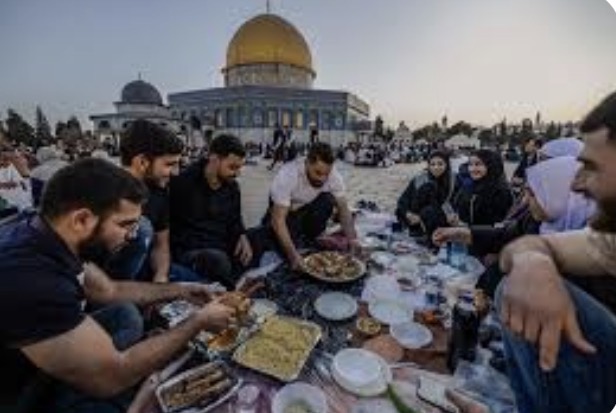
The True Spirit of Fasting in Ramadan
Ramadan: Beyond Hunger and Thirst
Ramadan is commonly associated with fasting, prayers, and recitation of the Qur’an. While these acts are essential, they represent only the outer form of worship. The true essence of Ramadan lies beyond physical hunger. Fasting is meant to discipline the soul, awaken moral consciousness, and reshape human behavior in accordance with divine values.
Fasting as Moral and Spiritual Discipline
The purpose of fasting is not simply to abstain from food and drink, but to restrain oneself from all forms of wrongdoing. A true fast requires guarding the tongue from lies and backbiting, the eyes from immorality, and the heart from hatred, arrogance, and greed. Without ethical reform, hunger remains a physical act rather than a spiritual one.
Empathy for the Poor and Social Responsibility
One of the most powerful lessons of Ramadan is empathy. Hunger is meant to help us understand the daily reality of the poor. When wealthy households enjoy lavish Iftar tables while others cannot afford Suhoor or Iftar, the spirit of Ramadan is compromised. Islam strongly condemns waste and extravagance. Ramadan calls for sharing, charity, and ensuring that no one in society is left hungry.
Ending Waste and Practicing Moderation
Food waste during Ramadan is a painful contradiction. Throwing away excess food while others sleep hungry reflects moral failure, not piety. The month teaches moderation, simplicity, and gratitude. True observance of Ramadan means consuming responsibly and respecting every blessing bestowed by Allah.
Fasting and the Development of Character
Ramadan is a training period for character building. It teaches patience, tolerance, forgiveness, and self-control. The Prophet Muhammad (peace be upon him) clearly stated that Allah has no need for the hunger and thirst of those who do not abandon false speech and sinful behavior. This highlights that character reform is the core objective of fasting.
Equality, Tolerance, and Human Dignity
In Ramadan, social barriers dissolve. The rich and poor stand shoulder to shoulder in prayer, bowing before the same Creator. This spiritual equality must translate into social equality—fairness in dealings, respect for human dignity, and compassion in daily interactions. Ramadan promotes tolerance, coexistence, and mutual respect within society.
Ramadan as a Path to Becoming a Better Human Being
The ultimate goal of Ramadan is transformation. It aims to produce not only worshippers, but morally responsible and socially conscious individuals. If Ramadan passes without improving our behavior, ethics, and concern for others, then its message has not been fully understood.
Measuring the Success of Ramadan
The success of Ramadan is not measured by the number of hours we remain hungry, but by how much we restrain our ego, reduce injustice, and increase compassion. Ramadan is a divine opportunity to reform both the individual and society.
Conclusion: Reviving the True Spirit of Ramadan
Ramadan is a month of mercy, equality, and moral awakening. It is a call to return to humanity, justice, and self-purification. When observed in its true spirit, Ramadan becomes a force for personal change and social harmony.
Syed Ali Raza Naqvi Bukhari
Unity of Peace, Economic Reform, and Global Unity
Founder & Chairman of Tehreek Istehkam Pakistan, and the author of “Law of God” and “Social Democratic System.” Advocate for truth, social justice, and reform in all sectors of society.


Comments
Post a Comment