The State of Pakistani Politics: Reflections on PTI, Leadership, and the Road Ahead
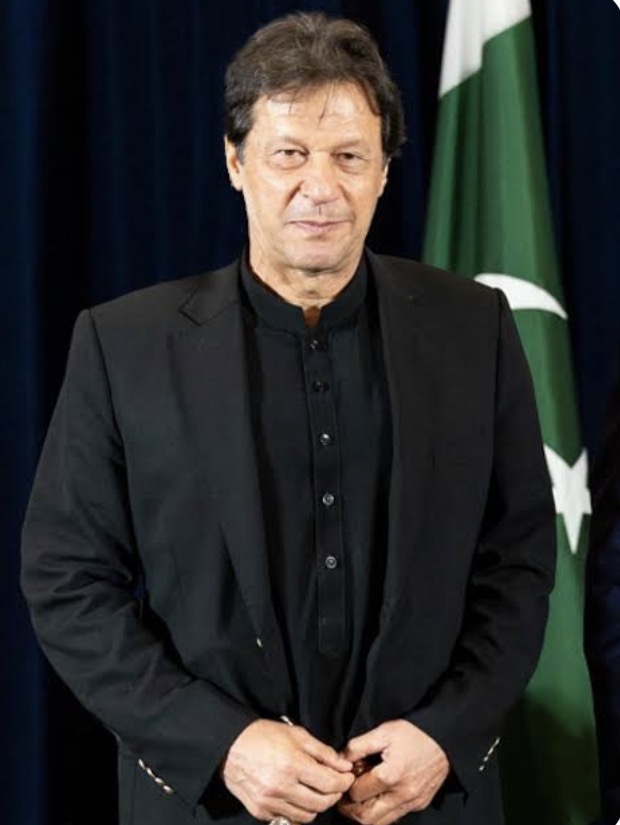
Picture just for reference
The State of Pakistani Politics: Reflections on PTI, Leadership, and the Road Ahead
1. Public Disillusionment with PTI
Pakistan’s political scene has been dominated by daily protests, constant media scrutiny, and a growing public sense of frustration. While PTI’s supporters and some media commentators continue to push narratives, the people have largely rejected these messages. Even abroad-based YouTubers spreading misleading or anti-Pakistan content have failed to sway public opinion.
It is often argued that festivals like Basant prevented large-scale protests, but this is misleading. Basant was largely confined to Lahore, while the rest of Pakistan remained open. The low turnout for protests across the country reflects a deeper dissatisfaction: PTI’s thirteen-year performance record has left many disillusioned with its leadership. Temporary slogans or media hype cannot substitute for concrete political achievements.
2. Internal Challenges and Misguided Advice
A major reason for PTI’s current challenges is internal mismanagement. Imran Khan sidelined loyal and experienced supporters in favor of young, inexperienced individuals motivated by short-term gains. This strategy weakened the party’s credibility and tarnished Khan’s public image.
Today, his political position is precarious. Imprisonment underscores the consequences of poor counsel and internal mistakes. Even if hundreds of supporters gather outside prisons or protest in small numbers, it does not equate to a genuine political movement or revolution. True influence is earned through vision, strategy, and public trust—not mere crowds.
3. The Need for Wisdom and Political Maturity
Despite the setbacks, Imran Khan remains a significant political figure. To restore his influence, he must act with wisdom and listen to reason. Reconciliation, pragmatic negotiation, and strategic planning are crucial. Leadership requires patience, foresight, and constructive solutions rather than emotional or impulsive decisions.
By prioritizing understanding over conflict and long-term vision over short-term gains, Khan can safeguard his political legacy and rebuild trust with the public.
4. The Potential for Positive Politics
There remains hope for PTI’s revival—but this time through positive politics rather than negative rhetoric. The party can regain credibility by focusing on constructive engagement, addressing public concerns, and providing tangible solutions to the nation’s challenges.
Those who spread divisive or anti-national narratives harm both Pakistan and its leaders, including Khan. Political success depends on principles, strategy, and national interest—not temporary gains through false claims.
5. Conclusion: Rebuilding Credibility and Trust
Pakistan’s political future depends on responsible leadership, vision, and inclusive politics. PTI has the opportunity to redefine its role in a constructive way. By embracing positive engagement, focusing on national welfare, and prioritizing unity over division, the party can regain its relevance and play a meaningful role in shaping Pakistan’s future.
The people of Pakistan seek results, not rhetoric; stability, not chaos; and leadership that strengthens the nation rather than fragments it. If PTI rises with these principles, it can transform both its political legacy and the country’s democratic landscape.


Comments
Post a Comment