Basant Returns to Lahore: A Festival of Discipline, Culture, and Renewed Joy.
Picture just for reference
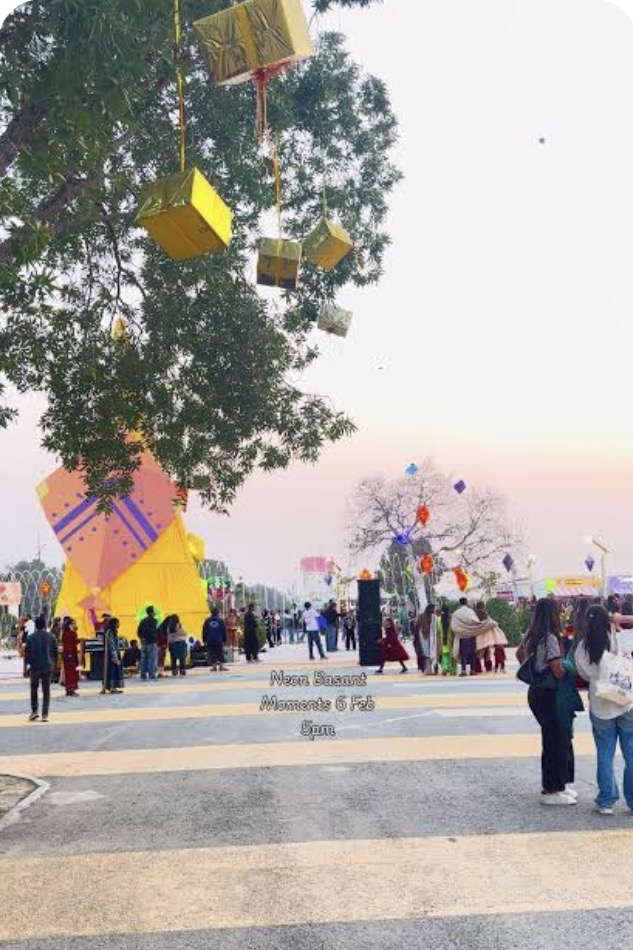
Basant Returns to Lahore: A Festival of Discipline, Culture, and Renewed Joy
For Generation Z and Generation Alpha, Basant was little more than a story—something they heard about but never truly experienced. It belonged to the memories of Generation X and Y, who once lived the vibrant colors, flying kites, and collective joy that defined Lahore’s skies. This year, however, Basant returned not merely as a festival, but as a lesson, a revival, and a promise.
This revival demonstrated that Basant is not chaos—it is culture. It is not recklessness—it is regulated celebration. For many, it brought smiles to faces long burdened by economic stress and social uncertainty. The Punjab Government, especially Chief Minister Maryam Nawaz, deserves appreciation for reintroducing Basant in a controlled, disciplined, and lawful manner.
Respect for Faith and Law
A significant and commendable step was the temporary suspension of kite flying during Friday prayers, reflecting respect for religious obligations. The festival resumed strictly according to the government-issued timetable, reinforcing the message that celebration and responsibility can coexist.
Public Responsibility and SOP Compliance
Equally praiseworthy were the citizens of Lahore and visitors from across Pakistan who strictly followed SOPs. Kite flying began and ended on time, prohibited materials were avoided, and safety protocols were largely respected. This collective discipline played a crucial role in the festival’s success.
Economic Revival and Tourism Boost
Basant also triggered notable economic activity across Lahore:
- Hotels & Guest Houses:
Average hotel occupancy in Lahore reached an estimated 85–90%, with many hotels fully booked days in advance. - Rooftop Venues & Catering:
Rooftop restaurants, farmhouses, and private venues hosted hundreds of Basant-themed events, generating significant income for caterers, decorators, and event managers. - Kite & String Industry:
Legal kite and approved string vendors saw a revival, benefiting small traders and craftsmen who had been economically sidelined for years. - Tourism & Footfall:
An estimated 600,000 to 800,000 visitors entered Lahore over the Basant weekend, including families from other provinces and overseas Pakistanis.
These figures may be approximate, but the economic pulse was unmistakable—Basant breathed life into multiple sectors simultaneously.
Security, Cleanliness, and Global Attention
Lahore’s security arrangements, cleanliness drive, and traffic management stood out. Law enforcement agencies remained vigilant, emergency services were active, and sanitation teams worked round the clock. As a result, Lahore presented itself to the world as a city capable of hosting large-scale cultural events responsibly.
International observers and social media audiences witnessed a modern, disciplined, and vibrant Lahore, challenging outdated stereotypes and projecting a positive image of Pakistan.
A Lesson for the Future
This Basant served as an educational experience for Generation Z and Alpha. They now understand that Basant is not about lawlessness, but about heritage, harmony, and shared joy. If guided properly, the next generation will not just enjoy Basant—they will protect it.
Conclusion
Basant’s successful return proves that with political will, public cooperation, and effective governance, cultural traditions can be revived safely. This was not merely a festival; it was a statement—that Pakistan can honor its culture while upholding law, faith, and public safety.
If this model is sustained, Basant can become a permanent cultural and economic asset for Lahore and Pakistan as a whole.
Syed Ali Raza Naqvi Bukhari
Unity of Peace, Economic Reform, and Global Unity
Founder & Chairman of Tehreek Istehkam Pakistan, and the author of “Law of God” and “Social Democratic System.”
Advocate for truth, social justice, and reform in all sectors of society.


Comments
Post a Comment