Afghanistan–Pakistan Tensions, Religious Extremism, and the Need for a Representative Government.
Picture just for reference
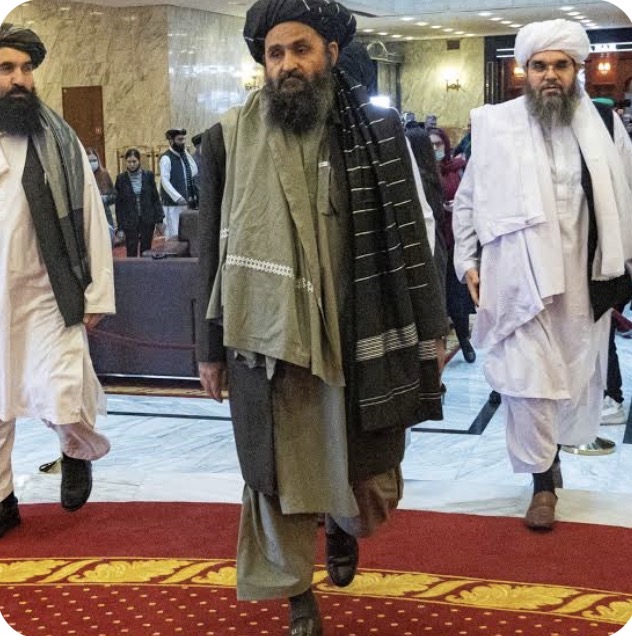
Afghanistan–Pakistan Tensions, Religious Extremism, and the Need for a Representative Government.
Introduction
Recent tensions between Pakistan and Afghanistan have once again exposed the fragile security environment along the border. Military clashes, political accusations, and hostile statements have increased concerns about regional stability. However, it is important to clearly distinguish between the peaceful people of Afghanistan and extremist elements whose actions threaten both Afghanistan and its neighboring countries.
The real challenge facing the region is not the Afghan nation itself but militant groups driven by religious extremism that continue to create instability and insecurity.
Rising Border Tensions
Recent clashes between Pakistan and Afghanistan have shown how quickly the situation along the border can escalate. Both sides have accused each other of aggression and cross-border activities. Reports of destroyed military posts and attacks on border positions demonstrate the seriousness of the situation.
Some statements attributed to representatives associated with the Afghan Taliban have raised additional concerns, particularly when threats of attacks inside Pakistan were mentioned. Such statements strengthen fears that extremist elements remain active in the region.
If militant elements openly threaten attacks inside another country, it reinforces the perception that cross-border terrorism continues to exist. Under international law, countries have the right to defend themselves against persistent security threats originating from outside their borders.
Extremism – A Regional Concern
The problem of religious extremism is not limited to one country. Several regional states have expressed concerns about militant networks operating in Afghanistan. These concerns are based on security realities rather than political differences.
Neighboring countries including Pakistan, Iran, and Central Asian states have all shown concern about the spread of extremism and cross-border militancy. Instability in Afghanistan directly affects the security of the entire region.
Extremist violence creates fear, slows economic development, and increases tensions among neighboring countries. Without stability in Afghanistan, lasting peace in the region remains difficult to achieve.
The Difference Between the Afghan People and Extremist Groups
It is important to emphasize that the Afghan people themselves are not responsible for extremism. The majority of Afghans desire peace, stability, and economic progress after decades of war.
The real challenge comes from militant groups that use religion as a political tool and promote intolerance and violence. These groups not only harm neighboring countries but also damage Afghanistan's own future.
Peace in Afghanistan will only be possible when extremist influence is reduced and national unity is strengthened.
Why the World Has Not Recognized the Current Afghan System
One of the major reasons the current Afghan authorities have not received full international recognition is the concern about extremism and governance.
Many countries believe that a government dominated by a single ideological group cannot provide long-term stability. There are also concerns about political inclusion and commitment to international norms.
Without international recognition, Afghanistan faces economic isolation and limited global cooperation, which further complicates the situation.
The Need for a Representative Government
Many political observers believe that Afghanistan needs a broad-based and representative political system in order to achieve lasting peace.
A representative government would include all major ethnic and social groups such as Pashtuns, Tajiks, Hazaras, and Uzbeks. Political inclusion would strengthen national unity and reduce internal conflict.
When people feel represented in the political system, the influence of extremism tends to decrease. A balanced political structure can help restore trust between Afghanistan and its neighbors.
Regional Benefits of Stability
A stable Afghanistan would benefit the entire region.
Peace would encourage:
Trade and economic cooperation
Infrastructure development
Regional connectivity
Security cooperation
Neighboring countries would feel more secure if Afghanistan becomes a stable and responsible state.
The Path Toward Lasting Peace
History shows that Afghanistan cannot be stabilized through military action alone. Sustainable peace requires political inclusion, moderation, and responsible governance.
A representative and balanced political system remains the most realistic path toward long-term stability. Such a system would reduce extremism, strengthen institutions, and improve relations with neighboring countries.
Conclusion
The future of Afghanistan is closely connected to the future of regional peace. The Afghan people deserve stability and development after decades of conflict.
The real solution lies in moderation, cooperation, and inclusive governance. A representative political system in Afghanistan would not only bring internal stability but would also reassure neighboring countries and the international community.
Only through a peaceful and inclusive political structure can Afghanistan transform from a source of tension into a foundation of regional stability.
Syed Ali Raza Naqvi Bukhari
Unity of Peace, Economic Reform, and Global Unity
Founder & Chairman of Tehreek Istehkam Pakistan, and the author of “Law of God” and “Social Democratic System.” Advocate for truth, social justice, and reform in all sectors of society.


Comments
Post a Comment